
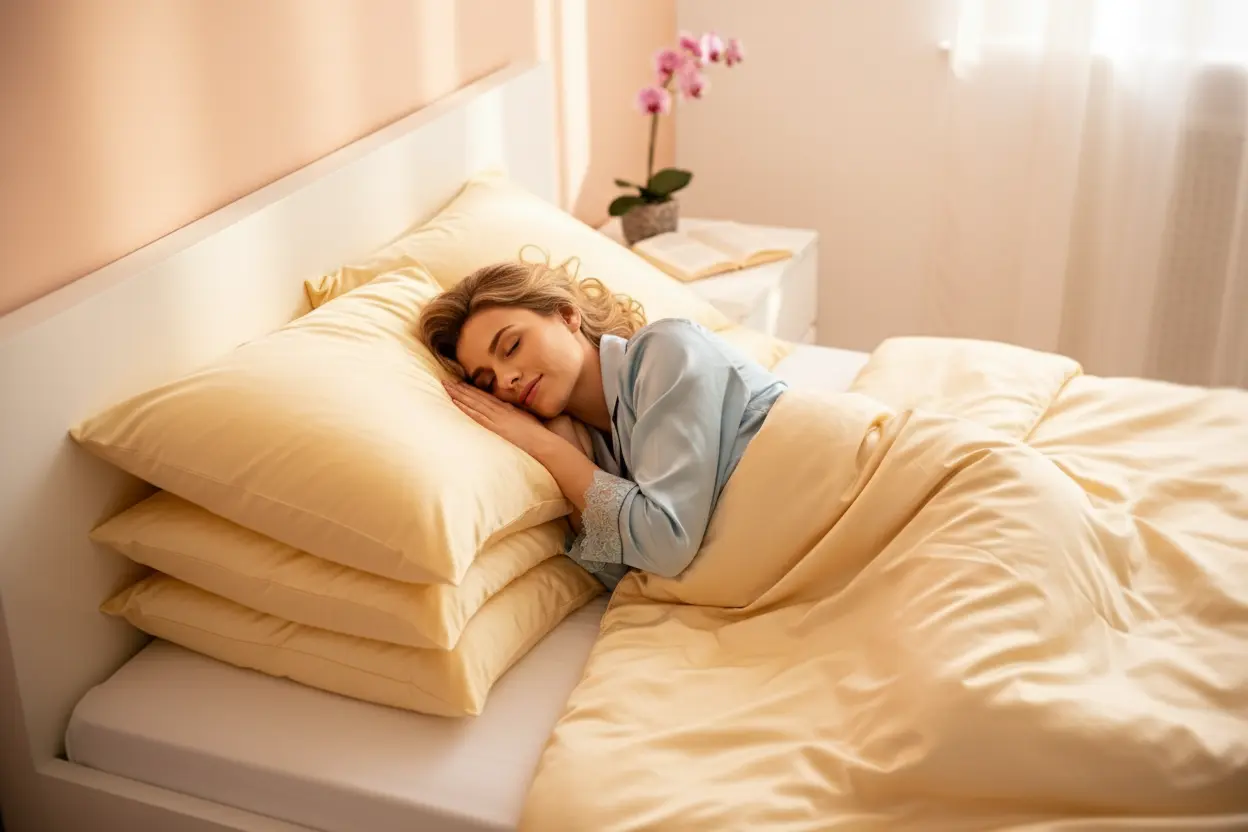
Ever wondered how the pristine, snow-white pillows in hotels manage to never show a trace of your average human’s nightly sweat storm? Spoiler alert: it’s not black magic, but a few old-fashioned tricks that also work wonders at home—even if your own pillow looks more yellow than a spring daffodil right now. Here’s how hotels keep pillows looking (and, thankfully, smelling) brand new—and how you can do it too, effortlessly.
Why Pillows Turn Yellow: The Slightly Icky Truth
No, you aren’t alone if your pillow has developed yellow halos worthy of a horror movie. What’s to blame? Time and biology! These stains are mainly the work of:
- Oils from your skin
- Sweat that sneaks past your pillowcase every night
- Dead skin cells
- Dust mites, mold, and bacteria joining the party
All these infiltrators accumulate inside your pillow’s fibers, leaving those unsightly yellow marks. While tossing the pillow might seem tempting, rest assured: it’s not a lost cause! With a few simple tricks, you can restore that pristine whiteness without resorting to a full pillow overhaul.
How Often Should You Clean Your Pillows?
Let’s have a moment of radical honesty: most people don’t wash their pillows nearly enough. For both hygiene and aesthetic reasons, pillows should be cleaned at least once every quarter. This helps banish stains, and more importantly, keeps unsavory guests like mites and bacteria at bay. Most pillows can handle a delicate cycle at 40–60°C, but if your pillow has special fibers, stick to 30°C. Always make sure it dries thoroughly before you put it back on your bed, especially if you’ve got a feathery friend.
The Hotel-Proven Tricks to Whiter, Brighter Pillows
If glittering white pillows seem like a housekeeping miracle, these are the actual ingredients and steps hotels (and your smart grandma) have in their cleaning arsenals:
- White Vinegar + Baking Soda Duo: These eco-friendly cleaning stars offer both gentleness and effectiveness. Here’s what to do:
- Mix half a cup of white vinegar with half a cup of baking soda.
- Pour the mixture into a basin of boiling water.
- Soak your pillow in this magical potion for an hour.
- Afterwards, wash your pillow in the machine (delicate cycle, please!).
- Lemon Juice + Boiling Water: Because lemons aren’t just for cocktails!
- Boil 2.5 liters of water.
- Add the juice of 6 lemons.
- Pour it all into a big basin and let your yellowed pillow soak for 2 hours.
- Follow with a machine wash.
- Lemon Juice + Hydrogen Peroxide: For a brightness boost that doesn’t hurt the fibers:
- Pour 125 ml of lemon juice and 250 ml of hydrogen peroxide into a basin of hot water.
- Soak your pillow for an hour, rinse, and then dry completely.
- Milk Bath (Yes, Really!):
- Pour 1 liter of milk into the sink.
- Add about 15 grams of baking soda.
- Soak the pillow for an hour.
- Rinse, wash in the machine, and let dry out in the fresh air.
All of these methods work without damaging the pillow fibers and turn a yellowed disaster back into a white cloud.
Pro Tips for Impeccable Pillows, No Matter Where You Sleep
- Stick to the « delicate » program on your washing machine, adjusting temperature to your pillow’s needs: 40–60°C for most, 30°C for those with special fibers.
- Never rush the drying; let those pillows air out thoroughly—especially if they’re feather-filled. You didn’t go to all this work just to have them smell musty!
- Implement one of these cleaning tricks at least every three months, and you’ll keep the yellow stains—and the associated cringe—firmly at bay.
In short: yellowed pillows aren’t the end of the road. With a few clever, natural solutions, that luxurious hotel look is absolutely within reach. So fluff up, clean up, and settle in to enjoy a fresher sleep—without ever feeling like you’re resting on a historic relic!

John Smith is a culinary enthusiast and food blogger who discovered his love for Asian cuisine during his years living in Seoul and Tokyo. With a background in journalism, he brings a storytelling approach to exploring the cultural significance behind every dish. John is passionate about making Asian cooking accessible to home cooks and sharing the vibrant food scenes he encounters in his travels.


