
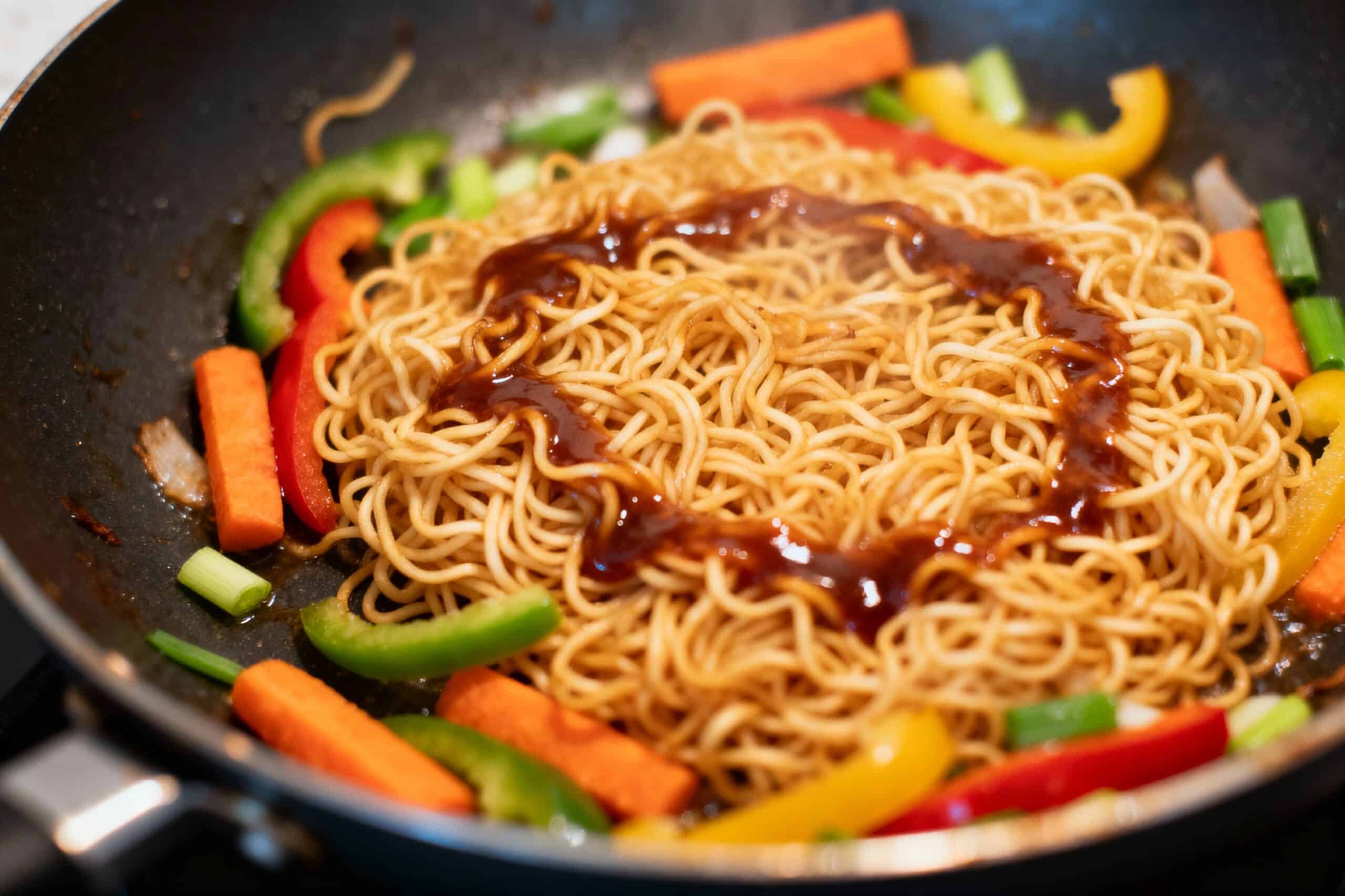
Busy weeknights naturally call for fast meals that don’t compromise on taste, and this chow mein noodles recipe delivers restaurant-quality results in your own kitchen. Skip expensive takeout and long prep times with this foolproof method that transforms simple ingredients into a satisfying meal your family will request again and again.
How can you make delicious chow mein noodles recipe in 15 minutes?
A chow mein noodles recipe can be ready in just 15 minutes when you use the right techniques and prepare your ingredients beforehand. The secret lies in having everything prepped and using high heat for quick cooking. We recommend cooking your noodles first, typically for about 4 minutes, then setting them aside while you stir-fry your vegetables and combine everything with a flavorful sauce.
The key to success is organization. While your noodles cook, you can quickly chop vegetables and mix your sauce ingredients. This approach cuts down cooking time by nearly 50% compared to traditional methods.
Using a large wok or skillet makes all the difference for even heat distribution and quick cooking. The high heat allows vegetables to cook in just 1-2 minutes while maintaining their crisp texture.
Chow mein noodles recipe
Chow mein noodles are typically made from wheat and eggs, similar to Italian pasta. You can find various options like dry chow mein noodles at Asian markets or pre-cooked fresh noodles in some grocery store sections.
Traditional chow mein differs from lo mein in preparation style. Chow mein noodles are fried first for a crispy texture, then softened with sauce, while lo mein noodles stay softer and get tossed directly with sauce and ingredients.
If you can’t find authentic chow mein noodles, several substitutes work well. Instant ramen noodles, yakisoba, or even angel hair pasta can replace traditional noodles.
Just remember to adjust cooking times accordingly since different noodles have varying thickness and cooking requirements.
Ingredients and quick tips for a foolproof chow mein noodles recipe
The beauty of this dish lies in its flexibility with ingredients. For the noodles, you’ll need about 8 ounces of chow mein noodles or your chosen substitute.
- 8 oz chow mein noodles
- 2 cups mixed vegetables (cabbage, carrots, bell peppers, snow peas)
- 3 tablespoons soy sauce
- 1 tablespoon sesame oil
- 1 tablespoon oyster sauce or hoisin sauce
- 1 teaspoon sugar
- 1 teaspoon cornstarch mixed with 2 tablespoons water
- 2 tablespoons vegetable oil for stir-frying
- Optional: pre-cooked protein of choice
We always prep vegetables beforehand for speed. Shredded cabbage, julienned carrots, sliced bell peppers, and trimmed snow peas work perfectly. Bean sprouts, broccoli, water chestnuts, and mushrooms add variety and texture.
For protein options, pre-cooked chicken, shrimp, beef, or tofu save valuable time. Add them during the final stir-fry stage to heat through without overcooking.
Chow mein noodles recipe guide
Understanding the cooking process helps you master this dish quickly. Start by bringing a large pot of water to boil for your noodles while you prepare other ingredients.
The sauce components work together to create that signature chow mein flavor. Soy sauce provides saltiness, sesame oil adds nutty richness, and oyster sauce brings umami depth. Sugar balances the saltiness, while cornstarch thickens everything beautifully.
Temperature control is crucial for perfect results. Keep your heat high throughout the stir-frying process to achieve that authentic wok flavor, even when using a regular skillet.
Timing each step correctly prevents overcooking. Vegetables need just enough heat to become tender-crisp, maintaining their vibrant colors and nutritional value.
Chow mein noodles recipe variations
This versatile dish adapts to many flavor preferences and dietary needs. Spice lovers can add sriracha or red pepper flakes to kick up the heat level.
Vegetable variations are endless. Try adding extra mushrooms for earthiness, water chestnuts for crunch, or baby corn for sweetness. Each addition brings its own texture and flavor profile.
Protein swaps keep meals interesting. Baked tofu works wonderfully for vegetarians, while sliced beef or pork suit meat lovers. Seafood fans might prefer shrimp or scallops.
Sauce adjustments let you customize flavors. Swap oyster sauce for hoisin sauce to create a slightly sweeter profile, or add a splash of rice vinegar for tanginess.
Step-by-step: how to cook chow mein noodles recipe
Begin by cooking your noodles according to package directions, usually about 4 minutes for fresh noodles. Drain them well and set aside in a large bowl.
While noodles cook, heat 2 tablespoons of vegetable oil in your largest skillet or wok over high heat. The pan should be smoking hot before adding vegetables.
Add harder vegetables first – carrots, broccoli, and bell peppers need more cooking time than softer ones like cabbage or bean sprouts.
Chow mein noodles recipe step by step
Stir-fry vegetables over high heat for 1-2 minutes until they start becoming tender but still maintain some crispness. Don’t overcrowd the pan, or vegetables will steam instead of fry.
Push vegetables to one side of your pan and add the cooked noodles to the empty space. This technique helps noodles heat through quickly without mixing prematurely.
Pour your prepared sauce mixture over both noodles and vegetables. The cornstarch slurry helps coat everything evenly and creates a glossy finish.
Toss everything together using tongs or two large spoons, ensuring sauce coats all ingredients evenly. This should take no more than 30 seconds of active mixing.
Chow mein noodles recipe quick steps
Speed comes from preparation and organization. We suggest following this streamlined timeline for maximum efficiency.
- Minute 1-2: Start water boiling, prep vegetables
- Minute 3-4: Cook noodles, mix sauce ingredients
- Minute 5-7: Drain noodles, heat wok
- Minute 8-10: Stir-fry vegetables
- Minute 11-13: Add noodles and sauce, toss
- Minute 14-15: Final seasoning adjustments, serve
Keep all ingredients within arm’s reach of your cooking station. This prevents scrambling for items while food cooks over high heat.
Taste and adjust seasoning at the end. Sometimes you might need a splash more soy sauce or a pinch of sugar to balance flavors perfectly.
Storage, make-ahead tips and serving ideas for chow mein noodles recipe
Proper storage keeps leftovers fresh and delicious. We recommend storing cooled chow mein in airtight containers in the refrigerator for up to 2 days maximum.
For make-ahead preparation, cook noodles and stir-fry vegetables separately, then combine with sauce just before serving. This prevents mushiness and maintains the best texture.
Reheating works best in a hot skillet rather than the microwave. Add a splash of water or broth if noodles seem dry, and stir frequently to prevent sticking.
Serving presentations elevate this simple dish. Top with chopped green onions for freshness, sprinkle crispy wonton strips for crunch, or garnish with sesame seeds for visual appeal.
Complete meal ideas include pairing your chow mein with egg rolls, pot stickers, or a simple cucumber salad. The contrast in textures creates a satisfying dining experience that rivals any takeout restaurant.
Frequently Asked Questions
What type of noodles are used in chow mein?
Chow mein typically uses chow mein noodles, made from wheat and eggs. These noodles can vary in thickness and may be found dry at Asian markets or pre-cooked in grocery stores. Alternatively, instant ramen or yakisoba noodles can be used as substitutes if chow mein noodles are unavailable.
What’s the secret to flavorful chow mein?
The secret to flavorful chow mein lies in the use of quality soy sauce, sesame oil, and oyster sauce. Combining these with fresh vegetables and cooking over high heat ensures vibrant flavors and a great texture. Proper seasoning adjustments at the end further enhance the dish’s overall taste.
What are the ingredients of ChowMein?
The ingredients of chow mein include chow mein noodles, mixed vegetables like cabbage and carrots, soy sauce, sesame oil, oyster sauce, sugar, cornstarch, and vegetable oil for stir-frying. Optional protein such as pre-cooked chicken, shrimp, or tofu can be added for a heartier meal.
What ingredients make chow mein sauce?
The chow mein sauce is made from soy sauce for saltiness, sesame oil for a nutty flavor, and oyster sauce for depth. Adding sugar balances the salt, while cornstarch mixed with water thickens the sauce, providing a glossy finish that coats the noodles and vegetables evenly.
How do you prepare chow mein noodles for cooking?
To prepare chow mein noodles for cooking, you need to boil the noodles for about 2-4 minutes, which is less than the package instructions. After boiling, you should rinse them in cold water to stop further cooking and prevent sticking, then drain them well before stir-frying.
How can you customize chow mein for dietary preferences?
You can customize chow mein for dietary preferences by varying the vegetables and proteins. For vegetarians, tofu makes a great substitute, while meat lovers can use beef or shrimp. Additionally, adjusting the sauce ingredients can enhance flavors according to personal tastes.

John Smith is a culinary enthusiast and food blogger who discovered his love for Asian cuisine during his years living in Seoul and Tokyo. With a background in journalism, he brings a storytelling approach to exploring the cultural significance behind every dish. John is passionate about making Asian cooking accessible to home cooks and sharing the vibrant food scenes he encounters in his travels.


