
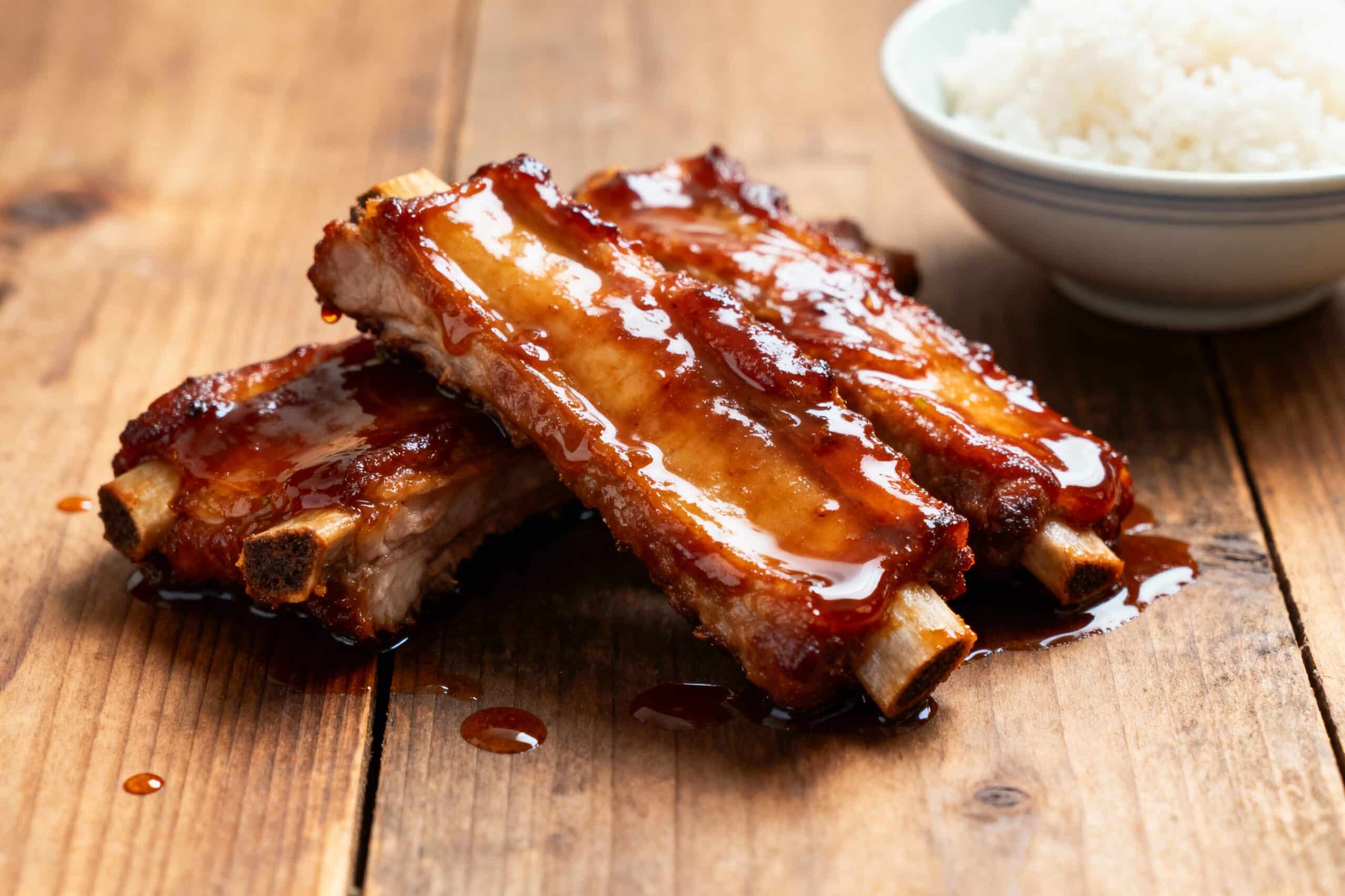
Transform your weeknight dinners with this foolproof guide to creating restaurant-quality chinese spare ribs in sweet sauce at home. This step-by-step recipe naturally balances sweet and tangy flavors while teaching you professional techniques like proper marinating, parboiling, and braising that guarantee tender, glossy ribs every time.
How do you make Chinese spare ribs in sweet sauce?
Making Chinese spare ribs in sweet sauce involves a three-step process: marinating the meat, parboiling to remove impurities, and braising in a sweet-tangy sauce. This traditional dish combines tender pork ribs with a glossy coating made from soy sauce, sugar, and black vinegar.
The key to authentic flavor lies in balancing sweetness and tanginess. We recommend using a sugar-to-vinegar ratio of approximately 5:4 by volume for optimal taste. The cooking process takes about 60 to 90 minutes total, but the rich, sticky sauce makes every minute worthwhile.
Chinese spare ribs in sweet sauce
This beloved dish showcases the perfect harmony between sweet and sour flavors that Chinese cuisine masters so well. Traditional recipes call for ribs cut into 1 to 1.5-inch pieces, making them easier to eat and allowing the sauce to coat each piece evenly.
Both spare ribs and baby back ribs work wonderfully for this recipe. The meat becomes incredibly tender through the braising process, while the sauce reduces to a beautiful, glossy finish that clings to every surface. Chinese black vinegar adds depth and complexity that regular vinegar simply cannot match.
Step-by-step recipe
Chinese spare ribs in sweet sauce variations
Several regional variations exist for this classic dish. Some recipes include aromatic spices like star anise or cinnamon during the braising stage, while others keep it simple with just the core ingredients. The Shanghainese version tends to be slightly sweeter, while Cantonese preparations often emphasize the vinegar’s tanginess more.
You can adapt the recipe based on your preferences. Coconut aminos serves as an excellent substitute for those avoiding soy sauce, though it will create a slightly different flavor profile. Some home cooks prefer adding a cornstarch slurry at the end for extra thickness and shine.
Step-by-step: marinate, parboil and braise
Start by marinating your ribs for at least 15 to 30 minutes, though longer marinating times develop deeper flavors. Mix soy sauce and Shaoxing wine for the marinade, allowing the meat to absorb these foundational tastes.
Parboiling comes next and proves crucial for removing impurities. Place ribs in cold water with ginger, scallions, and Shaoxing wine. Bring to a boil, then simmer for 10 to 30 minutes depending on your cut size. This step eliminates any gaminess and creates a cleaner final taste.
The braising stage transforms ordinary ribs into something magical. Cook them in your sauce mixture for 30 to 50 minutes, depending on desired tenderness. We advise cooking until tender but not falling apart, maintaining some texture while achieving that signature sticky coating.
Ingredients
Gathering quality ingredients makes all the difference in your final dish. Here’s what you’ll need for authentic Chinese spare ribs in sweet sauce:
- 2 pounds pork spare ribs or baby back ribs, cut into 1-inch pieces
- 3 tablespoons light soy sauce
- 2 tablespoons dark soy sauce
- 3 tablespoons rock sugar or white sugar
- 2 tablespoons Chinese black vinegar
- 2 tablespoons Shaoxing wine
- 3 slices fresh ginger
- 2 scallions, cut into 2-inch pieces
- 1 star anise (optional)
- Sesame seeds and chopped scallions for garnish
Chinese black vinegar, specifically Chinkiang vinegar, provides the most authentic flavor. If unavailable, substitute with a good quality balsamic vinegar, though the taste will differ slightly. Rock sugar creates a better gloss than regular sugar, but either works fine.
Tips for perfect texture and flavor
Temperature control during caramelization prevents burning your sugar, which would create bitter flavors. Heat your pan or wok over medium heat and watch carefully as the sugar melts and turns golden brown.
A heavy-bottomed pot or wok with a lid ensures even braising and proper simmering. The sauce should reduce until it reaches a thick, sticky consistency that coats the back of a spoon. This usually takes about 80% of your total braising time.
Taste and adjust seasoning during the reduction stage. Add extra vinegar for more sourness or additional sugar for sweetness. We always add a final splash of black vinegar at the very end to enhance both sourness and aroma.
For an extra glossy finish, brush the ribs with a touch of honey just before serving. Some recipes also call for a quick pan-fry after braising to create a slightly crispy exterior while keeping the inside tender.
Serving ideas and storage
These ribs pair beautifully with steamed jasmine rice, which absorbs the extra sauce perfectly. Steamed vegetables like bok choy or broccoli provide a fresh contrast to the rich, sweet flavors.
Surprisingly, many Chinese families enjoy these ribs at room temperature as part of a cold dish spread. The flavors actually intensify as they cool, making them perfect for meal prep or entertaining.
Store leftovers in airtight containers for up to 3 days in the refrigerator. For longer storage, freeze them for up to 2 months. When reheating, add a little water to help rehydrate the sauce and prevent sticking.
Garnish with toasted sesame seeds and fresh chopped scallions before serving. The sesame seeds add a nutty crunch that complements the tender meat, while the scallions provide a pop of color and mild onion flavor that brightens the entire dish.
FAQ
What sauce is good with Chinese spare ribs?
What sauce is good with Chinese spare ribs often includes a blend of light soy sauce, dark soy sauce, rock sugar, and Chinese black vinegar. This combination creates a glossy, sweet-tangy sauce that enhances the flavors of the tender ribs while adding depth and richness.
What is the secret to tender Chinese ribs?
The secret to tender Chinese ribs lies in the cooking process, particularly through marinating, parboiling, and braising. By allowing the ribs to marinate and using low, slow braising, the meat becomes incredibly tender while absorbing the flavors of the sauce.
What is the sauce on Chinese boneless spare ribs?
The sauce on Chinese boneless spare ribs typically consists of a sweet and savory blend of soy sauce, sugar, and spices, creating a rich coating. This can include ingredients like honey, garlic, and black pepper, giving it an appealing balance of flavors.
What is the 3-3-3 rule for ribs?
The 3-3-3 rule for ribs refers to a cooking method where ribs are cooked for 3 hours at a low temperature, wrapped in foil for 3 hours, and then glazed with sauce for another 3 hours. This technique ensures the ribs are tender and flavorful with a nice glaze finish.
How do you store leftovers of Chinese spare ribs?
To store leftovers of Chinese spare ribs, place them in airtight containers for up to 3 days in the refrigerator. For longer storage, freeze them for up to 2 months. When reheating, add a bit of water to maintain the sauce’s moisture and prevent sticking.
What side dishes pair well with Chinese spare ribs?
Side dishes that pair well with Chinese spare ribs include jasmine rice, steamed bok choy, or broccoli. The rice absorbs the flavorful sauce, while the vegetables provide a refreshing contrast to the rich, sticky ribs, enhancing the overall dining experience.

John Smith is a culinary enthusiast and food blogger who discovered his love for Asian cuisine during his years living in Seoul and Tokyo. With a background in journalism, he brings a storytelling approach to exploring the cultural significance behind every dish. John is passionate about making Asian cooking accessible to home cooks and sharing the vibrant food scenes he encounters in his travels.


