
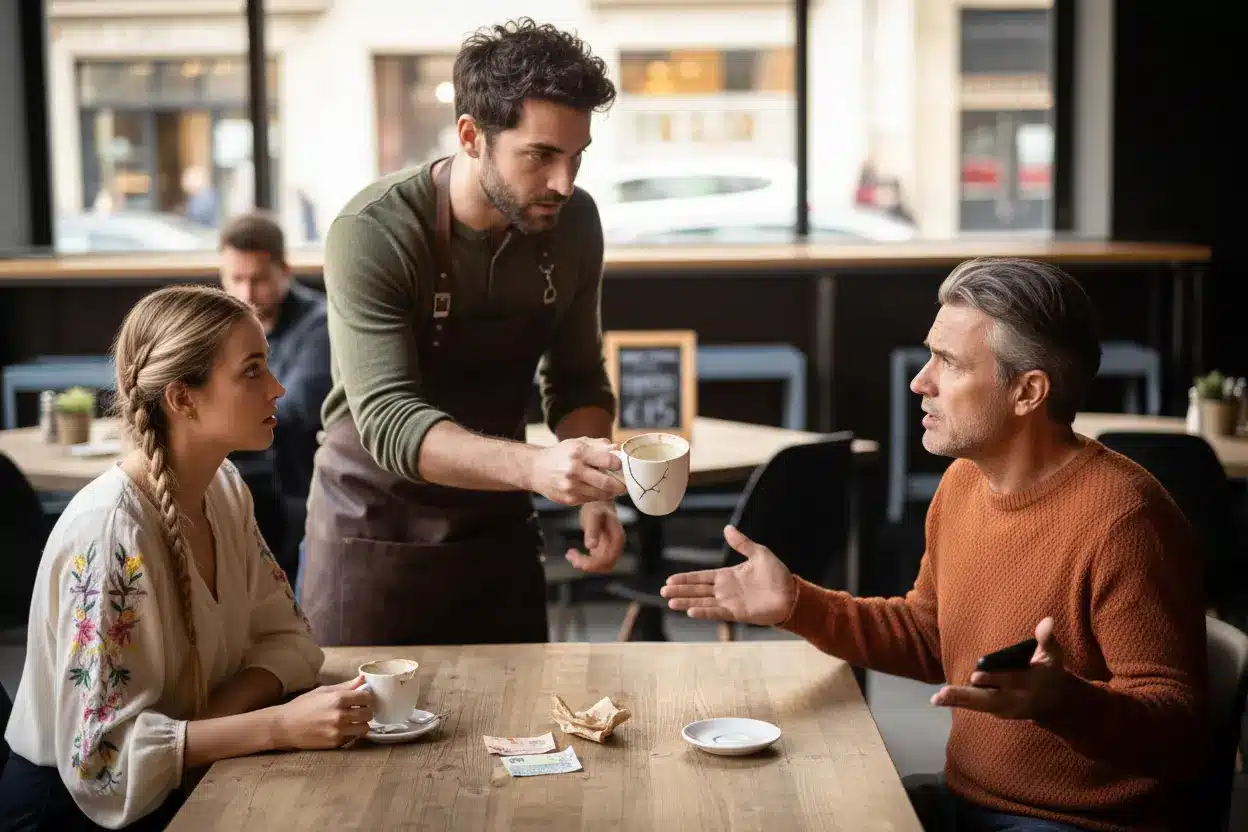
Only in Italy: a nation where the day doesn’t officially start until you’ve had your first espresso (preferably standing at the bar, gulped in one go), a cup of coffee can literally turn into a police matter. What should have been a simple morning stop for caffeine turned into a full-blown drama, shaking a whole city—and maybe even a few coffee beans—out of routine. Let’s dive into an espresso saga that proves, in Italy, you don’t mess with tradition… or the price tag!
The Incident: When Decaf Gets Dramatic
Picture this: Florence, May 2022. The café Ditta Artigianale is starting another day, the city’s first rays filtering in, everything as usual. One customer, perhaps feeling bold or simply in need of a little less kick, orders a decaffeinated coffee. A little detail, but the real surprise comes when the bill is presented: 2 euros for a decaf. For most, this might be shrugged off (maybe muttering something under their breath about inflation), but for this customer, it was the proverbial final straw in his cup.
Deciding the price was excessive, he doesn’t just roll his eyes or post a review—he calls 112, the emergency number. The charge? Not a heart attack, not a theft—but a suspiciously expensive coffee. And, in a twist more unexpected than cinnamon on a cappuccino, the authorities agree with him.
Justice (and an Invoice) is Served
The police show up, not to calm a caffeine-fueled brawl, but to investigate the price of a cup. Their probe? Simple: look for clear price signage behind the counter. The menu there didn’t display the cost of the coffee. That oversight was all it took. The result was as bitter as burnt espresso—a fine of 1,000 euros for the shocked manager. The owner, caught somewhere between anger and pure disbelief, took to Instagram to share his story, baffled that two euros for good coffee in a trendy venue could spark such a storm.
Coffee: Not Just a Drink, But an Institution
Why such drama over what, in other countries, might be considered a small splurge? In Italy, coffee isn’t a beverage, it’s a cornerstone of life. It’s consumed at the counter, often so quickly that the cup barely has time to cool. Traditionally, an espresso costs about one euro, and the ritual matters so much that Italy has even sought UNESCO intangible heritage recognition for its classic espresso.
So yes, if you double the standard price—especially for a decaf in a fashionable Florentine café—purists might balk, and someone might just… call the police. Such gestures are rare, but they speak volumes about how attached Italians are to their coffee ritual.
- 30 million espressos are enjoyed daily across Italy
- Espresso’s average price is around one euro—but it’s under pressure
And pressure there is. The story is bigger than one bill: inflation, disruptions in the global supply chain, and tough harvests in producing countries are all pushing up the cost of coffee. According to an Italian consumer association, the average price of an espresso could soon rise to €1.50, or even more in big cities and tourist hotspots. Many managers see this as inevitable, but convincing customers used to low, traditional prices? That’s a different story—especially in a country where some things are sacred.
Transparency and Tradition: Lessons from a Viral Caffeine Controversy
For the manager of Ditta Artigianale, it was all, in his eyes, an administrative misunderstanding. The price, he explained, was available in their digital menu. From his perspective, asking two euros for a good cup in a pleasant setting shouldn’t cause outrage.
But here’s the thing: in Italy, changes to the price of coffee don’t go unnoticed. The story traveled fast through media and reignited discussions about price transparency and the evolving bond between Italians and their beloved coffee—a relationship as enduring as Rome’s ruins.
Ultimately, it wasn’t just the cost that stirred the reaction, but the lack of clarity. Transparency matters, especially when a simple coffee order is far more than a morning pick-me-up: it’s a cultural marker. In a land where coffee borders on the sacred, you tamper with habits (even decaffeinated ones) at your own risk.
So, next time you’re in Italy and that espresso seems steep, check the menu first—ideally the one behind the counter. And maybe think twice before dialing 112; your cappuccino could cost more than you bargained for… in more ways than one.

John Smith is a culinary enthusiast and food blogger who discovered his love for Asian cuisine during his years living in Seoul and Tokyo. With a background in journalism, he brings a storytelling approach to exploring the cultural significance behind every dish. John is passionate about making Asian cooking accessible to home cooks and sharing the vibrant food scenes he encounters in his travels.


