
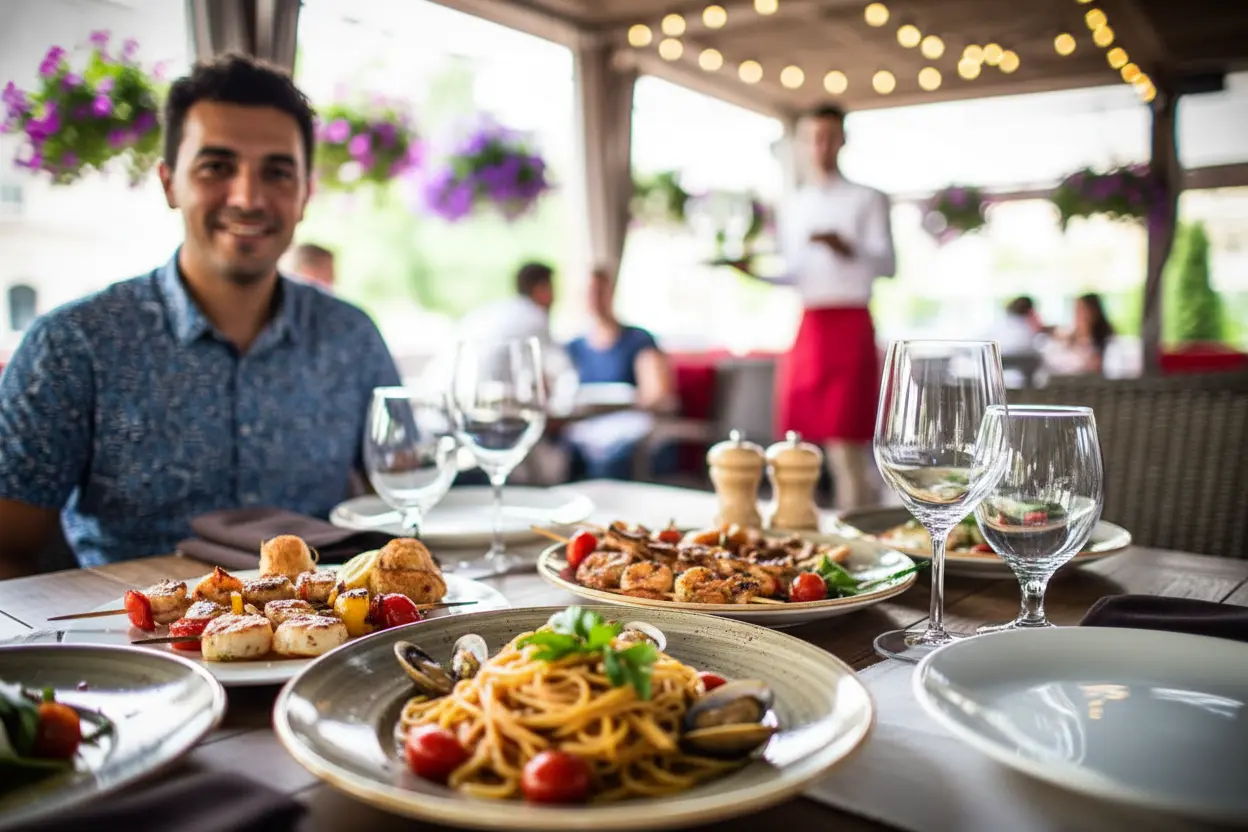
We’ve all been there: hungry, exhausted, perhaps fresh off a hike or dripping from the surf, only to stumble into the first restaurant that promises solace. It’s a classic travel move—and a classic setup for culinary disappointment. The moment you settle into your seat and glance (finally!) at the menu, you realize the trap: sky-high prices for food that barely delivers. Tourist traps aren’t just a legend, they’re a thriving industry, expertly designed to snare the weary and the ravenous. But how can you tell when a restaurant is a red flag in disguise? There’s one telltale sign that gives the game away, and your next vacation meal depends on spotting it.
The Anatomy of a Tourist Trap
- A tempting location right on the beaten path.
- Menus that seem strangely familiar, even in a foreign land.
- Servers who greet you with just a little too much enthusiasm—or even dangle a tempting deal.
Let’s start with the uncomfortable truth: whether you’re a seasoned foodie or just someone with a healthy appetite, almost all of us have fallen prey at least once. After a day spent wandering scenic trails or braving the waves, hunger and fatigue can override even the best intentions. It’s all too easy to walk into the first restaurant in sight without giving the menu so much as a sideways glance. Only when you’re seated do you catch on: that charming little spot is, in fact, a finely tuned machine designed to capitalize on hungry tourists. The strategy? Make it hard to resist, even if the value proposition is wildly out of whack with reality.
If It Seems Too Good To Be True…
The oldest wisdom in the book holds true: if the experience feels a bit too slick, a bit too eager, it’s time for a closer look. Does the server greet you with boundless enthusiasm? Maybe they’re promising you a sneaky discount if you take a seat—just this once, just for you. It might feel flattering, but in reality, genuine quality doesn’t need hard sales. As it turns out, authentic restaurants don’t bow and scrape to coax you inside. That’s almost always the mark of establishments with something to hide—namely, food quality that doesn’t live up to the bill. If, say, you’re reading the menu and a staff member suddenly appears, gently (or not-so-gently) urging you to come in, that’s a particularly unsubtle tell. Time to make a discreet exit at a brisk pace before you join the roll call of hungry, disappointed travelers.
Of course, not every tourist trap operates so crudely. Some keep it low-key, simply waiting for the moment fatigue or hunger does their work for them. But whether they’re pushy or patient, the endgame is the same: a serving of regret alongside your meal.
The Menu: Your Best Defense
So, how do you avoid walking right into their net? Chef Jared Hucks, owner of The Alden in Atlanta, offers a risk-free test: pay close attention to the menu itself. Particularly on busy thoroughfares or famous squares, watch out for menus that display translations in multiple languages right there at the entrance. Hucks makes it clear—he steers away from any places where the menu shouts in five tongues before you’ve even crossed the threshold.
The details matter. Chef Piero Premoli goes one further: if the menu is laminated and showcases glossy photos of the dishes, that’s an even bigger red flag. The culinary pros agree—these are not the places you want to trust with your valuable vacation appetite.
- Menus translated into several languages? Warning sign.
- Laminated surfaces and lots of dish photos? Proceed at your own (gastronomic) risk.
Your Secret Weapon on Holiday
With all this in mind, dodging the tourist trap is suddenly a lot simpler. Resist the urge to dive into the first eatery on the busy avenue. Scan the menu critically, and don’t let flattery or special « offers » cloud your judgment. Trust that sometimes, the lesser-traveled alley or the simpler sign leads to better memories—and, yes, tastier meals at fairer prices. With a sharp eye and this easy-to-spot clue, you’re already ahead of the game. Happy travels and bon appétit (just not on a laminated menu)!

John Smith is a culinary enthusiast and food blogger who discovered his love for Asian cuisine during his years living in Seoul and Tokyo. With a background in journalism, he brings a storytelling approach to exploring the cultural significance behind every dish. John is passionate about making Asian cooking accessible to home cooks and sharing the vibrant food scenes he encounters in his travels.


