
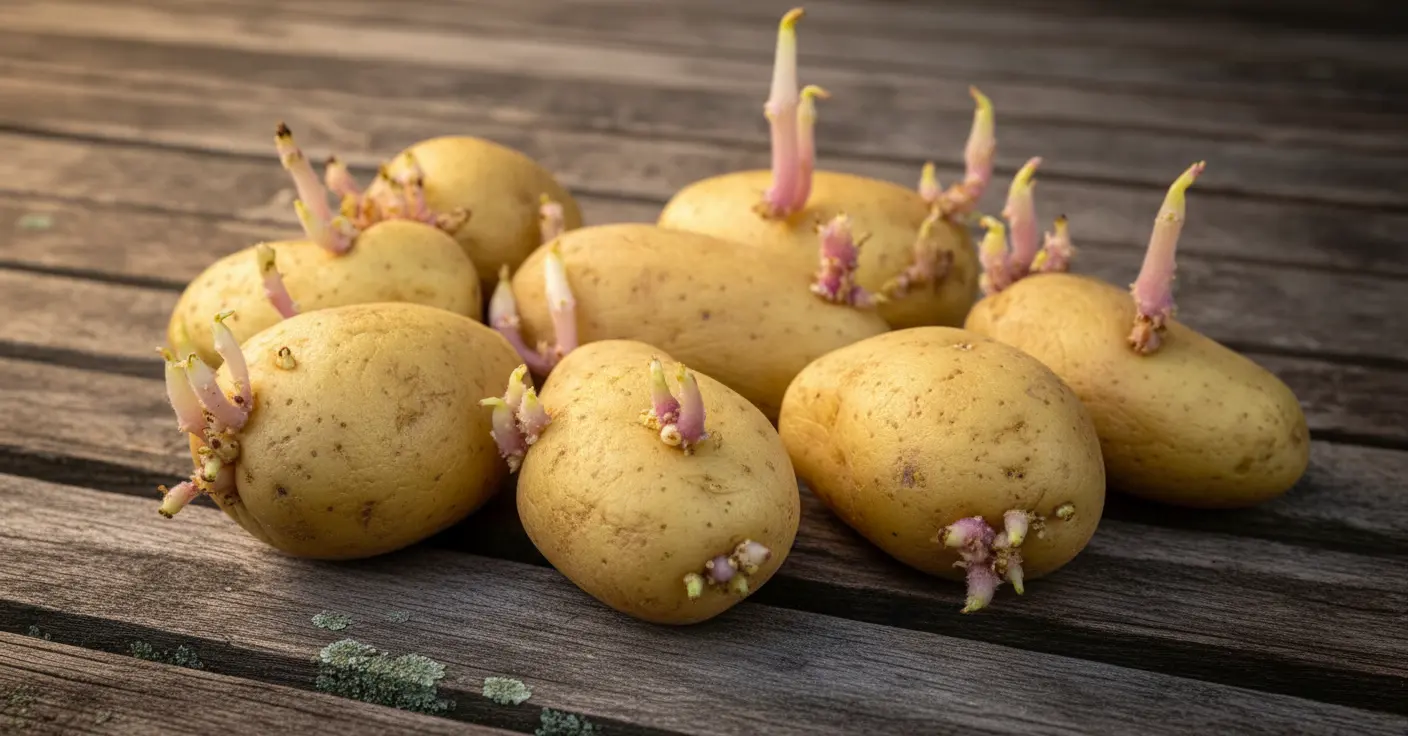
Crack open your potato bag and… surprise! Little sprouts have started to pop up on your spuds. Should you be worried? It’s an age-old kitchen dilemma: are sprouted potatoes still safe to eat or a lurking health hazard? Here’s everything you ever wanted (or perhaps didn’t want) to know about potatoes with sprouts, from why it happens to the care you need to take before putting them on your plate.
Why Do Potatoes Sprout?
Sprouting is not some sinister act of rebellion by your tubers. Potatoes start to grow shoots when they’re kept in just the right (or wrong, depending on your perspective) conditions: warmth, humidity and yes, even a bit of light. It’s simply a natural part of their life cycle. When your spuds want to reproduce, they push out sprouts to give birth to new potato plants. Fair enough—they’re just doing their job, right?
But here’s where things go from garden-variety curiosity to real concern. During the sprouting process, the level of natural protective compounds called glycoalkaloids rises, especially around the sprouts and in green patches. The superstars of this chemical family are solanine and chaconine. They’re there to protect the potato in nature, but in your kitchen, too much of them can make parts of a sprouted potato potentially toxic.
Are Sprouted Potatoes Safe to Eat?
Many people naturally wonder: can you actually eat potatoes with sprouts, or are you courting disaster at dinner?
It’s a trickier question than you might think! How you buy and cook your ingredients plays a role here. Eating the wrong part of a sprouted potato or skipping preparation steps can mean more than just a bad taste in your mouth.
- Carefully cut away all the sprouts.
- Peel the potato, removing a thin layer of skin.
- Snip off any green or soft sections completely.
- Cook thoroughly—skip the gentle steaming or half-hearted microwaving. It’s full commitment or nothing.
But don’t get too adventurous. Never eat potatoes if:
- The sprouts are long, floppy, or numerous.
- The skin has turned green (hello, sunlight exposure).
- The flesh is shriveled or soft.
- There’s a strong, earthy, or odd odor.
Are There Real Health Risks?
Let’s talk boogeymen: glycoalkaloids like solanine are nature’s defense systems but, in high doses, are no joke for humans. If you gobble up loads of sprouted potatoes without painstakingly removing sprouts and green areas, you could experience unwanted effects. While a serious poisoning is rare, children and folks with fragile health are most sensitive to these compounds. If your potatoes are exceptionally soft, withered, or visibly green, do yourself a favor and toss them. They’ve lost their taste and their nutritional value anyway—so you’re not missing out on much, except maybe an upset stomach.
Smart Shopping, Storing, and Cooking: Top Tips
You might wonder if buying certain potato types makes a difference. And you’d be right! There are two main families to know:
- Long-keeping varieties like Bintje (the champion for fries!), Charlotte, Désirée, Monalisa, Agria, and Samba are in for the long haul—they last better over time.
- New potato varieties (Amandine, Sirtema, Belle de Fontenay, etc.) sprout and spoil more quickly. Buy them as needed and in smaller amounts, as they don’t keep as well and can soften or lose taste even before sprouts appear.
To avoid the sprout invasion altogether, keep potatoes cool and in the dark—think cellar, not windowsill. Too much heat or light is the fast lane to sprout city.
Have a green thumb or a balcony? You can plant seed potatoes (available at garden centers) and grow your own. Water regularly so the soil stays moist. Once foliage appears, you know you’re on the right track. When it turns yellow, it’s harvest time! Clean and dry them well before stashing them away.
A quick heads-up about conventionally stored potatoes: they’re often treated post-harvest with a sprout inhibitor. That means residues could stick around on the skin, even after washing or cooking. It’s smart to peel ‘non-organic’ potatoes if you want to avoid any risk linked to these residues.
On the other hand, organic potatoes can’t be treated with synthetic chemicals. Only natural substances like essential oils (think mint, caraway, clove) are allowed. So go ahead—eat the skin of well-washed organic potatoes! Your conscience and possibly your stomach will thank you.
In short: a sprouted potato isn’t automatically a lost cause, but it demands your attention and a little skill with the knife. Stay sharp, peel away any suspect parts, and when in doubt, throw it out. Treat your ingredients kindly—your palate and your health will both be better for it!

John Smith is a culinary enthusiast and food blogger who discovered his love for Asian cuisine during his years living in Seoul and Tokyo. With a background in journalism, he brings a storytelling approach to exploring the cultural significance behind every dish. John is passionate about making Asian cooking accessible to home cooks and sharing the vibrant food scenes he encounters in his travels.


