
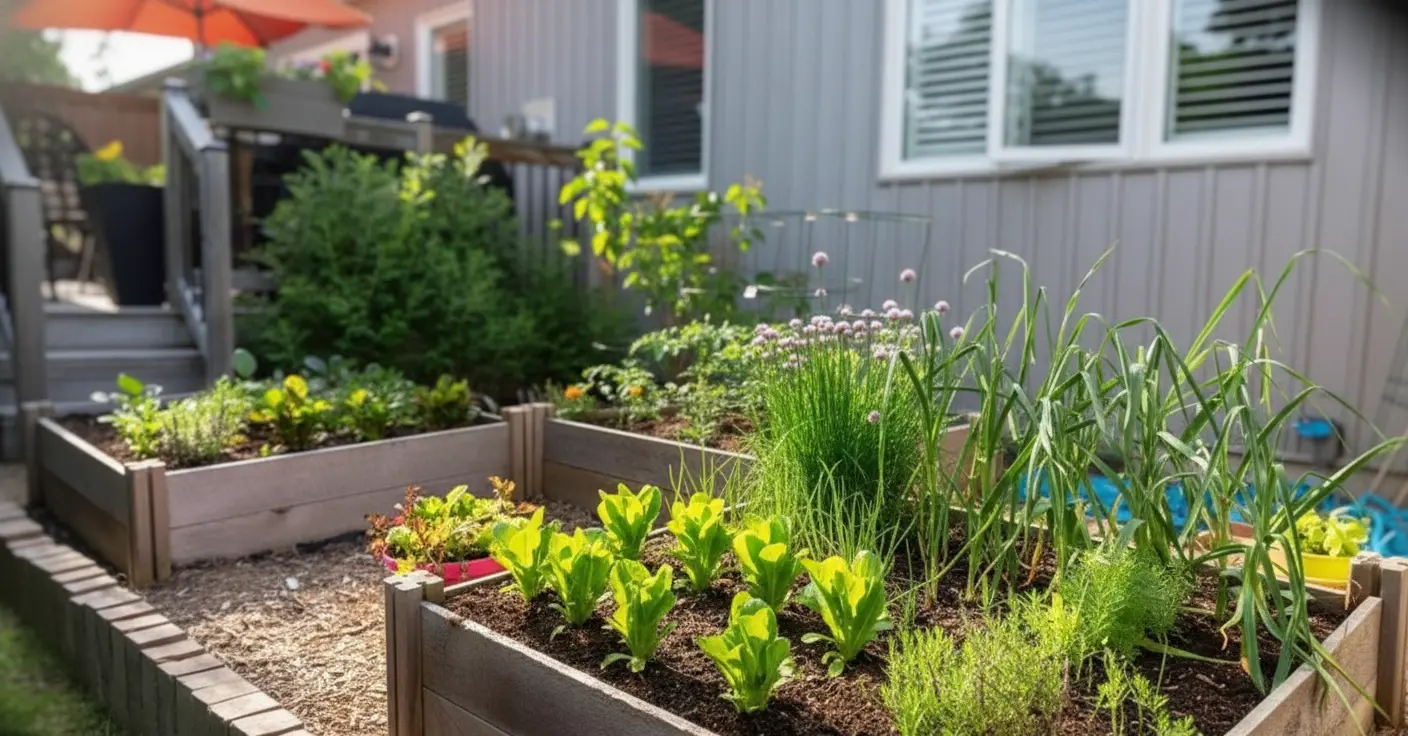
Have you ever dreamt of a vegetable patch that practically takes care of itself, where your watering can mostly gathers dust in the shed? Perennial vegetables may just be the holy grail for gardeners who are either lazy or, let’s say, brilliantly resourceful!
Perennial Vegetables: The True Heroes of the Carefree Garden
Perennial vegetables, also known as enduring or long-lasting veggies, owe their name to an impressive talent: they return year after year all on their own. Whether you possess a degree in gardening or not, they demand minimal effort. Once planted, these robust plants have the uncanny ability to grow back by themselves, braving both droughts and chilly weather, steadfastly resisting both diseases and pests. If you’re after reliable harvests with minimum sweat, these are your superheroes.
Freedom from the Traditional Vegetable Patch
What if the classic vegetable bed isn’t your thing? No worries: perennial veggies are just as happy growing in flowerbeds, containers, on your balcony, or the terrace. Because they don’t guzzle water like their fussier annual cousins, they’re perfect for gardeners prone to forgetting (accidentally or on purpose!) to water every week.
With perennial vegetables, harvesting gets easier than ever. A word of caution though: once settled in, some of these plants (wild garlic, for instance) might feel inspired to take over the garden. But if you enjoy lively green carpets, who’s complaining?
Getting Started: Smart Placement and Easy Care
- Even the hardiest vegetables deserve some planning. It’s wise to gather all your perennials in one area of the garden. That way, they won’t interfere with next year’s crops or disturb any sensible crop rotations. Think of it as a well-organized shared flat for your hardworking veggies!
- Soil prep? Loosen and aerate it before your first planting—a wise move. Adding a dash of compost and mulching can help these toughies settle long-term. And here’s an old hand’s trick: divide clumps to multiply your harvest, all while ensuring the plant itself doesn’t get exhausted over time.
- When it comes to choosing your varieties, keep both your soil and local climate in mind. If conditions aren’t to their liking, these so-called perennials can behave more like temporary guests—annuals in disguise! Perennial plants do have a mischievous side.
- The best time to plant most perennials is in spring or autumn. Wait until the frosts have passed and steer clear of peak summer heatwaves. Every variety has its personal quirks, so don’t forget to check the instructions that come with your seeds or plants.
Perennial Vegetables: Their Odd Habits and Distinct Flavours
Sorry, not everything in the land of lasting veggies is rosy—or even tender green. Some perennial vegetables develop rather invasive tendencies and absolutely need to be kept to their designated space. Since crop rotation can’t be practiced in their area, your patch might end up a little less diverse than usual.
Another curiosity: taste. Their flavours are often more pronounced than those of annuals—great news for adventurous eaters, perhaps a tiny challenge for fans of mildy-flavoured vegetables. Yet, it’s the perfect opportunity to discover new tastes, livening up your meals and treating your taste buds to pleasant surprises.
Best of all? It’s never been easier to get your hands on perennial vegetable seeds and young plants. All thanks to the dazzling world of internet and specialized nurseries. So, are you ready to hit ‘easy harvest’ mode?
Want to see more about this natural bounty, or to embrace a lifestyle that celebrates authentic places, heritage, local soil and the art of living? That’s exactly the spirit of Hotel Limoux, a site dedicated to tourism and gastronomy, where the love of beauty and good is always on the menu.

John Smith is a culinary enthusiast and food blogger who discovered his love for Asian cuisine during his years living in Seoul and Tokyo. With a background in journalism, he brings a storytelling approach to exploring the cultural significance behind every dish. John is passionate about making Asian cooking accessible to home cooks and sharing the vibrant food scenes he encounters in his travels.


