
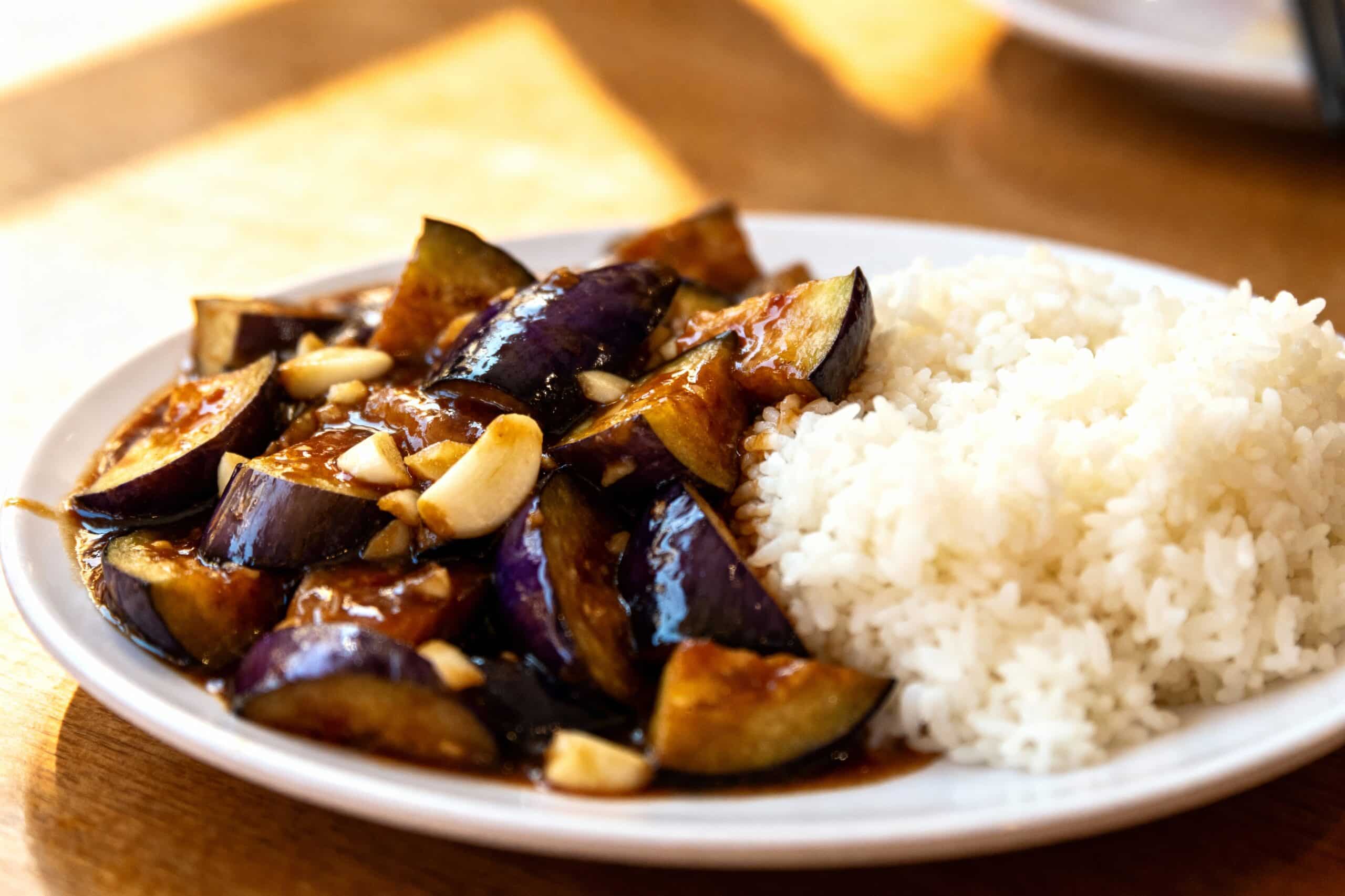
Transform ordinary eggplant into a restaurant-quality masterpiece with this complete guide to cooking chinese eggplant with garlic sauce naturally at home. You’ll discover professional techniques for preventing oil absorption, creating the perfect sweet-savory sauce balance, and achieving tender eggplant with crispy edges every time.
How do you make chinese eggplant with garlic sauce step by step?
Making chinese eggplant with garlic sauce involves a simple yet precise stir-frying technique that creates tender, flavorful eggplant coated in a savory-sweet sauce. The process starts with properly preparing the eggplant through salting or soaking, then searing it quickly over high heat before tossing with an aromatic garlic-based sauce. This classic Sichuan dish requires about 8-10 minutes of active cooking time once all ingredients are prepped.
The key to success lies in controlling oil absorption and achieving the right balance of flavors. We recommend using Chinese or Japanese eggplants for their thinner skin and fewer seeds, though regular globe eggplant works with slightly longer cooking times.
The essential ingredients and preparation
Ingredients for the dish
The beauty of this dish lies in its simple ingredients that pack maximum flavor. You’ll need fresh eggplant as your star vegetable, along with garlic, ginger, and scallions for aromatics.
- 2 pounds Chinese or Japanese eggplant, cut into 2-inch pieces
- 6 cloves garlic, minced
- 1 tablespoon fresh ginger, minced
- 3 scallions, sliced (white and green parts separated)
- 3 tablespoons soy sauce (light and dark combined)
- 2 tablespoons rice vinegar
- 1 tablespoon oyster sauce
- 1 teaspoon sugar
- 2 teaspoons cornstarch mixed with 2 tablespoons water
- 3 tablespoons vegetable oil
- 1 teaspoon sesame oil
Optional additions include ground pork for protein and chili flakes for heat. We advise prepping all ingredients beforehand since stir-frying moves quickly once you start cooking.
Step-by-step recipe
The cooking process follows a specific sequence that ensures perfect texture and flavor development. Start by combining your sauce ingredients in a small bowl before heating your wok.
- Salt eggplant pieces and let sit for 15 minutes, then rinse and pat dry
- Dust dried eggplant lightly with cornstarch
- Heat wok over high heat and add 2 tablespoons oil
- Sear eggplant pieces cut-side down for 2-3 minutes until golden
- Remove eggplant and set aside
- Add remaining oil, then garlic, ginger, and scallion whites
- Stir-fry aromatics for 30 seconds until fragrant
- Return eggplant to wok and toss for 1 minute
- Add sauce mixture and cornstarch slurry
- Toss everything together for 1-2 minutes until sauce thickens
- Finish with scallion greens and sesame oil
The entire cooking process takes roughly 10 minutes once your prep work is complete. Keep the heat moderately high to develop good color without burning the garlic.
Eggplant preparation techniques: texture and oil control
Proper eggplant preparation makes the difference between soggy, oil-laden pieces and perfectly tender, crispy eggplant. Eggplant naturally absorbs oil quickly, so we use specific techniques to minimize greasiness while maximizing flavor.
Two main preparation methods work well: soaking cut eggplant in salted water for 15 minutes or sprinkling with salt and letting it drain. Both techniques remove bitterness and prevent browning while the eggplant waits. Soaking preserves color and moisture better than dry salting.
After salting, thoroughly dry the eggplant pieces with paper towels. This step is crucial for achieving proper searing. Once dried, coat each piece with a thin layer of cornstarch, which creates a barrier that prevents oil absorption and promotes crispiness.
Heat control during cooking is equally important. Use moderate to high heat for searing to develop color and flavor quickly without creating sogginess. We recommend searing cut sides down first, which enhances both visual appeal and taste through better caramelization.
Oil control requires precision – use just enough oil to coat the wok surface. Cooking in batches prevents overcrowding, which would steam the eggplant instead of searing it. A well-seasoned wok or non-stick pan ensures better results and easier cleanup.
Sauce balance: sweet, salty and tangy flavors
The sauce transforms simple eggplant into chinese eggplant with garlic sauce through careful balancing of sweet, salty, and tangy elements. Dark soy sauce adds color and depth, while light soy sauce provides the primary saltiness.
Sugar plays a crucial role beyond sweetness – it balances the salty components and enhances the overall savory profile. Start with 1 teaspoon, but adjust according to your taste preferences. Rice vinegar contributes the tangy element that brightens the entire dish.
Oyster sauce adds umami depth and slight sweetness, while cornstarch thickens the sauce so it coats the eggplant evenly. Mix the cornstarch with water before adding to prevent lumps from forming during the final cooking stage.
The sauce ratios can be modified based on desired flavor intensity. Some prefer more vinegar for tanginess, while others increase the sugar for a sweeter profile. We suggest tasting and adjusting after your first attempt to find your preferred balance.
Timing matters when adding the sauce – pour it in only after the eggplant has achieved good color and tenderness. This prevents the sauce from burning and ensures even coating throughout the dish.
Serving ideas and variations
This versatile dish pairs beautifully with steamed jasmine rice or fresh noodles. The sauce is perfect for soaking into rice, making it a complete meal when served with other Chinese dishes.
Popular variations include adding ground chicken or turkey instead of traditional pork for different protein options. For gluten-free versions, substitute tamari for soy sauce and check that your oyster sauce is gluten-free certified.
Heat lovers can add sliced chilies or chili oil during the aromatics stage. Some cooks include bell peppers or mushrooms for extra vegetables, though this changes the traditional character of the dish.
Garnish options extend beyond scallions – try toasted sesame seeds, fresh cilantro, or thinly sliced red chilies for color contrast. A drizzle of chili oil adds both heat and visual appeal.
Leftover chinese eggplant with garlic sauce stores well in airtight containers for up to three days. Reheat gently in the microwave or wok, adding a splash of water if needed to loosen the sauce. The flavors often improve after a day as they meld together.
For meal prep, you can prepare the sauce ahead of time and store it separately. Cook the eggplant fresh for best texture, as it tends to soften when stored cooked. This approach gives you restaurant-quality results even on busy weeknights.
FAQ
What is Chinese eggplant with garlic sauce?
Chinese eggplant with garlic sauce is a classic Sichuan dish featuring tender, flavorful eggplant stir-fried with a savory garlic-based sauce. The dish highlights the eggplant’s unique texture and is balanced with sweet, salty, and tangy flavors, creating a delicious complement to rice or noodles.
What is the difference between Chinese brown sauce and garlic sauce?
The difference between Chinese brown sauce and garlic sauce lies in their ingredients and flavor profiles. Brown sauce generally includes soy sauce, broth, and cornstarch for thickness, giving it a rich umami flavor, while garlic sauce prominently features garlic, soy sauce, and sugary elements for a sweeter and spicier kick.
What is garlic sauce made of at the Chinese restaurant?
Garlic sauce made at a Chinese restaurant typically contains minced garlic, soy sauce, sugar, vinegar, and sometimes oyster sauce. The garlic provides the dish’s strong flavor, while the sugar and vinegar balance it with sweetness and acidity, creating a deliciously bold sauce for various stir-fries.
What is the Chinese dish eggplant called?
The Chinese dish eggplant is called « Yu Xiang Qie Zi, » which translates to « Fish-Fragrant Eggplant. » This dish features eggplant cooked in a savory, spicy sauce made from ingredients like garlic, ginger, soy sauce, and sometimes chili paste or vinegar to enhance its flavors.
How long does it take to make Chinese eggplant with garlic sauce?
Making Chinese eggplant with garlic sauce typically takes around 8-10 minutes of active cooking time once all ingredients are prepped. The preparation steps before cooking, including salting or soaking the eggplant, can add an additional 15 minutes to the overall process.
Can you make Chinese eggplant with garlic sauce spicier?
You can make Chinese eggplant with garlic sauce spicier by adding sliced chilies or chili oil during the stir-frying process. Adjust the amount based on your desired spice level, and consider including spicy ingredients like chili paste or flakes in the sauce for an extra kick.

John Smith is a culinary enthusiast and food blogger who discovered his love for Asian cuisine during his years living in Seoul and Tokyo. With a background in journalism, he brings a storytelling approach to exploring the cultural significance behind every dish. John is passionate about making Asian cooking accessible to home cooks and sharing the vibrant food scenes he encounters in his travels.


