
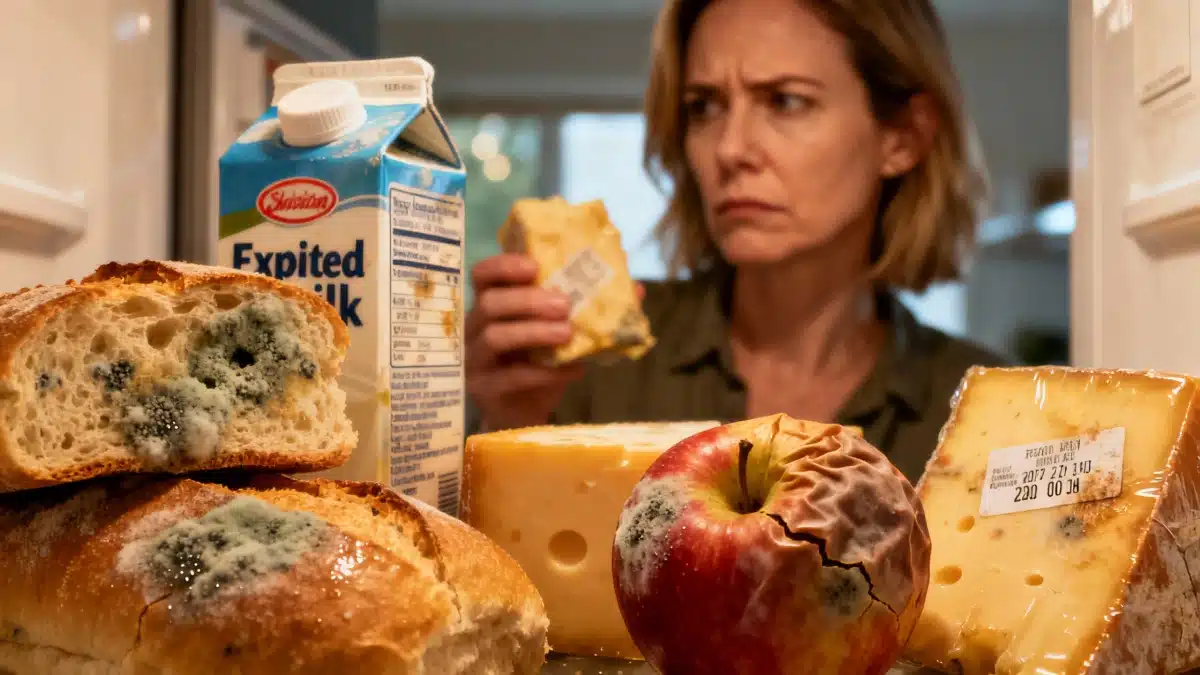
Food waste is a modern headache, but some foods can’t be saved—no matter how noble your intentions or how strong your stomach. Certain items are strictly best-before, unless you want your next meal to be a game of bacterial Russian roulette. Wondering which offenders should go straight to the bin the moment their expiry date ticks by? Here’s a practical guide to eight foods whose post-expiry adventures should be left to myth and legend—not your kitchen table.
Why We Should Care About Food Expiry (and When to Stop Caring)
Each of us, at home, can do our part to reduce food waste—even the smallest effort counts. That often means not tossing products just because they’ve hit their “best before” (DDM) or “use by” (DLC) date. Some foods are perfectly edible past those numbers, as long as their looks, taste, and texture haven’t turned. But for others, the science—and the smell—doesn’t lie: they belong in the trash, not on your plate. Eating these can make you sick. Ready to find out which ones?
The Eight Foods You Should Never Eat Past Expiry
- Red Meat: When red meat decides it’s done being edible, it’s not shy about it. The color darkens to a brownish hue, the texture goes slick and sticky, and the smell turns downright revolting—no subtlety here! While vacuum-packed supermarket meat lasts longer refrigerated or frozen, butcher-fresh meat demands extra caution: consume within 12 hours. If you’re still tempted to cook it despite the suspicious look and odor, remember: heating won’t kill every nasty bacterium. Food poisoning—with bonus salmonella or listeria—is the real gamble. So if in doubt: trash it.
- Fish and Seafood: Fragile to the extreme, fish practically comes with a built-in timer. If you bought it fresh, cook it within 24 hours—stretch to the next day at your own risk! Fish quickly becomes a buffet for bacteria like E. coli. If the skin or eye color looks off, or if the smell could peel wallpaper, toss it. The same goes for shellfish that have been in the fridge more than two days. Any change in smell or color? Straight to the bin.
- Deli Meats and Charcuterie: Dry, smoked, or vacuum-packed meats last for weeks, but beware anything raw or processed like pâté, rillettes, or raw ham. These should be eaten within two or three days (or the same day if bought fresh-cut) to play it safe. After that, it’s bye-bye, even if there’s just a slice left crying out from the fridge drawer.
- Unpasteurized Fruit Juices: Not your shelf-stable juice pack, but the fancy fresh-pressed ones from the fridge section. These have never seen a pasteurizer and need to be drunk up within a few days of purchase. Follow the expiry date on the label or cap religiously—testing fate is not recommended. For apple, lemon, or orange juice, around five days is the max before things turn sour (literally and figuratively).
- Eggs: Eggs have an invisible protective coating, but their shells are porous and susceptible to bacteria. In general, you have 28 days from lay date to use a raw egg. After cracking, though, the clock speeds up: hard-boiled eggs or separated whites last six to seven days, while yolks should be used within a few hours. If you’re unsure whether an egg’s still good, simple testing tricks can help. When in any doubt, err on the side of caution.
- Milk: Pasteurized or sterilized milk can be kept closed for up to six months, but once that carton is opened, the countdown begins. Drink within one week if refrigerated. At room temperature, that window shrinks to a single day—bacteria move fast and so should you. Beyond these limits, don’t even think about taste-testing: sour smell and lumpy texture are all the warnings you need.
- Fresh Cream: Unopened cream from the store can last several weeks in the fridge. Once opened, it’s a different story—two to three days, tops, before you risk bacterial invasion. Cream doesn’t freeze well, but if incorporated into a cooked dish, it’ll keep longer. However, solo cream left to its own devices? Cut your losses.
- Raw Milk Cheeses and Soft Cheeses: Cheeses like reblochon, roquefort, brie, morbier, and mont d’Or are as high-maintenance as they sound. Because they’re unpasteurized, they’re much more prone to bacterial contamination than their pasteurized cousins. Fresh cheeses can last from two days to two weeks. Unless you’re in the business of cheese aging, keep an eye out for changes in color, smell, or texture—and definitely toss them at the first sign of mold or other deterioration.
Practical Tips: When in Doubt, Throw It Out
To put it bluntly: if a food looks weird, smells off, or has gone beyond its shelf-life, don’t overthink it. Most bacteria won’t announce themselves with fireworks, so a conservative approach is best. Sure, fighting food waste is important—but your health ranks higher.
So, next time you’re eyeing that slightly sweaty cheese or fish fillet with a dubious stare, remember: listening to your nose, eyes, and those “just in case” instincts can be the smartest culinary move you make. After all, there are better ways to be daring than rolling the dice on expired seafood!

John Smith is a culinary enthusiast and food blogger who discovered his love for Asian cuisine during his years living in Seoul and Tokyo. With a background in journalism, he brings a storytelling approach to exploring the cultural significance behind every dish. John is passionate about making Asian cooking accessible to home cooks and sharing the vibrant food scenes he encounters in his travels.


