
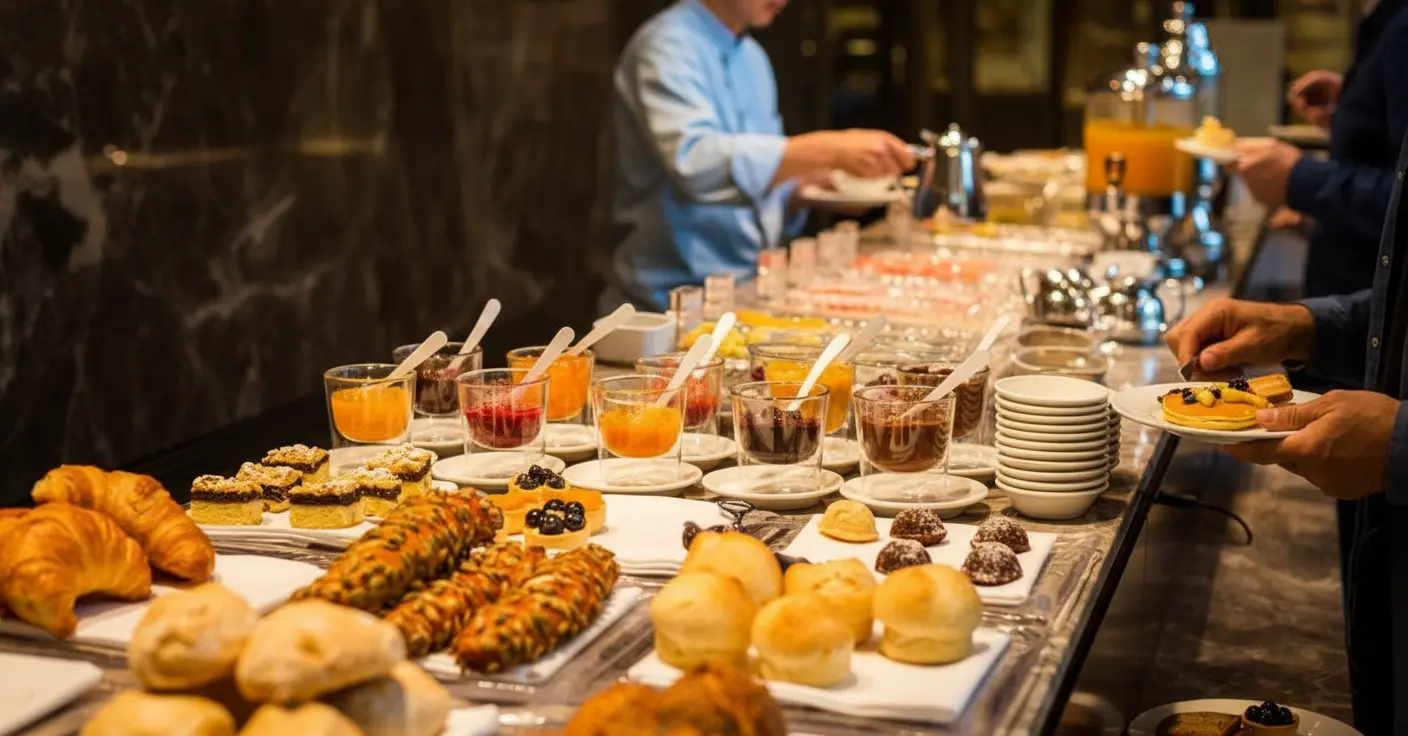
A hotel breakfast buffet: an irresistible spread — cereals glistening like treasure, eggs steaming gently, piles of pastries winking at you. You feel like a kid in a candy store. But behind every croissant and bowl of fruit lies a question scarier than the price of room service: just how safe is all this seemingly endless food? Before you grab that third helping, here’s the inconvenient truth about hotel breakfast buffets that no one tells you — your dream meal could be a lot riskier than you ever imagined.
Buffets: A Breeding Ground for Food Poisoning?
Spoiler alert: Hotel breakfast buffets aren’t just a paradise for hungry guests. Sadly, they can also be an open invitation for germs and bacteria. With so many people helping themselves, and staff not always able to keep up with cleaning during the busy morning rush, your scrumptious-looking plate might hide a real party of microscopic threats. It’s all too easy to forget that safety is just as important as variety — but some breakfast classics are far riskier than others.
The High-Risk All-Star Lineup
If you’re longing to build a mountain of cheese, yogurts, and maybe treat yourself to some juice, here’s where you need to pause. Let’s walk through the most dangerous items, according to the cold (or, rather, not cold enough) facts:
- Dairy products: Cheese, milk, and yogurts desperately need to be kept cool. When left out at room temperature, they become playgrounds for bacteria that could make your day go downhill fast.
- Fresh juices and cut fruits: That elegant slice of melon or artfully chopped tomato? Along with fresh juices, these items must be stored chilled. If they’re not, bacteria can multiply at record speed.
- Cooked foods: Eggs scrambled to perfection, strips of bacon, or sautéed vegetables aren’t immune. Once cooked, these foods need to stay hot to stay safe. No lukewarm compromises — bacteria love a buffet as much as you do, especially when things cool off.
- Meats, ham, eggs, fish: Leaving these at room temperature is like rolling out the red carpet for bacteria linked to food poisoning. Only eat them if they’ve been kept hot, not just warm-ish!
Still drooling? It gets a bit tastier before it gets a whole lot scarier.
The Untouched Truth: Bacteria Love Company
Let’s add one more ingredient to our recipe for risk: people. In the bustling hotel breakfast scene, loads of guests pass by the same display, using (or not using) tongs, and sometimes forgetting every lesson about hygiene since kindergarten. With little time for staff to tidy up between rounds, bacteria and germs get a free pass to hop from one plate to another.
Consider this when reaching for fruits or cakes from platters where guests have been serving themselves by hand (yes, sadly, not everyone is a champion of serving utensils). It’s a good bet that these foods are teeming with enough lurking microbes to threaten your vacation plans before noon.
How to Stay Safe at the Buffet
No, you don’t have to eat cold toast for the rest of your life. But to avoid unwelcome surprises, play it smart at the buffet. Stick to:
- Foods that have been kept at the correct temperature — either piping hot or properly chilled.
- Fruits with peels you remove yourself, such as bananas, kiwis, or oranges. Their natural armor reduces the chances of contact-born contamination.
- Muffins or pastries that are individually wrapped in paper — not fancier, but much safer than their unwrapped, crowd-handled cousins.
Your health is worth a little caution. You want memories of blue sky and city views, not tales of tummy trouble from undercooked eggs or suspiciously soft cheese.
In the end, let the real treat be a vacation without regrets. Pick wisely, use the tongs (really!), and if in doubt about something, maybe trust the fruit in its skin, not the fruit salad. Bon appétit — and safe travels!

John Smith is a culinary enthusiast and food blogger who discovered his love for Asian cuisine during his years living in Seoul and Tokyo. With a background in journalism, he brings a storytelling approach to exploring the cultural significance behind every dish. John is passionate about making Asian cooking accessible to home cooks and sharing the vibrant food scenes he encounters in his travels.


