
We’ve all grown up hearing at least one of these kitchen “truths”—passed down from grandma, endorsed by forums, and whispered between friends. But what if some of these handed-down culinary habits do more harm than good? Ready to discover which food myths you might be spreading (and to laugh at yourself a little along the way)? Strap on your aprons—let’s bust some kitchen nonsense!
Hand-Me-Down Habits: The Greatest (Culinary) Hits
- Adding olive oil to pasta water to keep noodles from sticking.
- Dousing hard-boiled eggs with vinegar or salt to prevent cracking.
- Drawing perfect eights with your whisk for an unbeatable mayonnaise.
- Plunging green veggies into ice water to « lock in » that emerald hue.
- Letting egg whites sit at room temperature for fluffier meringues.
- Cooking meat at boiling temperatures to rush the process (and impress no one).
Busting the Biggest Myths with Science (and a Chuckle)
According to molecular gastronomy expert Raphaël Haumont—the scientist who’s had enough of pointless kitchen rituals—most culinary progress begins with an open mind and a tiny dash of scientific curiosity. Don’t be afraid of mistakes! Instead of repeating family traditions or outrageous internet hacks, take a moment to wonder: Why do we do it this way? Then, question everything.
- Olive Oil in Pasta Water: Sorry, but that famous drizzle is helping no one. As Haumont explains, oil floats atop water and never actually mingles with your pasta. To keep spaghetti separated, use a large volume of water—think 1 litre for every 100 grams of pasta. Want that olive oil flavour? Add it after draining, not before. Basta cosi.
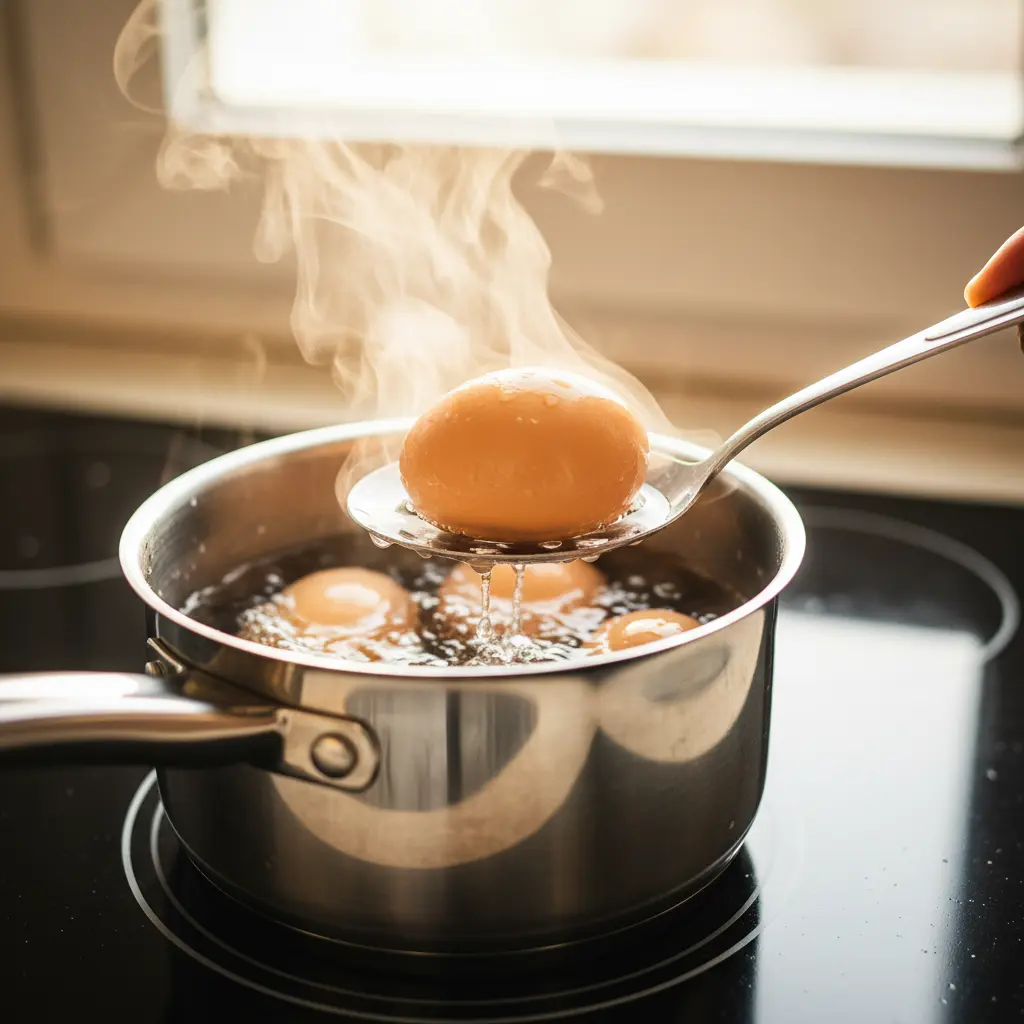
- Vinegar & Salt in Egg Water: Remember that trick to keep eggs from cracking or sticking? Science says: not only does this not help, it can actually weaken the shell, increasing the risk of breakage. The simplest way is best—simmer those eggs gently in water and leave the rest to nature.
- Mayonnaise Myths: The internet teems with methods to ensure your mayo always turns out perfect: Whip your eggs into the shape of an eight! (Or is it a five? A seven?) Haumont assures us that the actual number is irrelevant—what matters is pouring the oil in very slowly while whisking as fast as you can. Electric beaters are not sinful; they’re encouraged. The magic is in the emulsion: lecithin in the yolk lets oil and water embrace in creamy harmony. Ingredient temperature? Chill—your eggs can come straight from the fridge.
- Ice Water Bath for Greens: Heard that plunging peas (or any green veg) into icy water stops them from turning grey? Not exactly—cold water merely halts the cooking. If you want brilliant greens, cook them with a pinch of baking soda (half a teaspoon per litre of water) or use sparkling water, Haumont advises. Now you know!
- Ageing Egg Whites for Meringue: Some pastry myth-makers champion the use of « aged » egg whites for loftier macarons and meringues. Haumont is horrified—leaving whites out is a hygienic disaster. Whites are whip-ready straight from the fridge. For dream meringue, gradually add sugar from the start and whisk away steadily. Lucky enough to have a siphon? Try it for a smooth-as-clouds result—egg whites and sugar, a gas cartridge, a shake, and meringue magic appears.
- Meat: Fast or Furious (Never Boiling): Meat disasters are nearly a kitchen rite of passage. The scientist’s guidance is crystal clear: cook meat very quickly or take it low and slow. There’s no middle ground—don’t let it boil! Meat cooks at 55–56°C; beyond 100°C, you’re boiling out all the flavour and biting into rubbery regret. Sear it or braise it, but choose your path.
- Herb Hangups: Sure, bay, thyme, and rosemary can simmer from the start. But coriander, chives, or basil? Don’t even think about it! With heat above 45°C, up to half their aroma vanishes. For peak flavour, toss in those fresh herbs at the last minute. Trust the scientist—he’d talk for hours about the errors made since humans started cooking.
The Last Slice: Time to Rewire Those Tasteful Traditions
Raphaël Haumont urges us to pause, reflect, and maybe challenge grandma’s cooking wisdom (gently, of course). Embrace curiosity in the kitchen. If in doubt, ask—does this trick exist for a reason, or is it just culinary folklore? Put on your science hat, mix up the methods, and, above all, never stop tasting—and testing.
Who knows? You might just become your family’s next legend, the one who proved that a dash of truth is the best seasoning of all.

John Smith is a culinary enthusiast and food blogger who discovered his love for Asian cuisine during his years living in Seoul and Tokyo. With a background in journalism, he brings a storytelling approach to exploring the cultural significance behind every dish. John is passionate about making Asian cooking accessible to home cooks and sharing the vibrant food scenes he encounters in his travels.


