
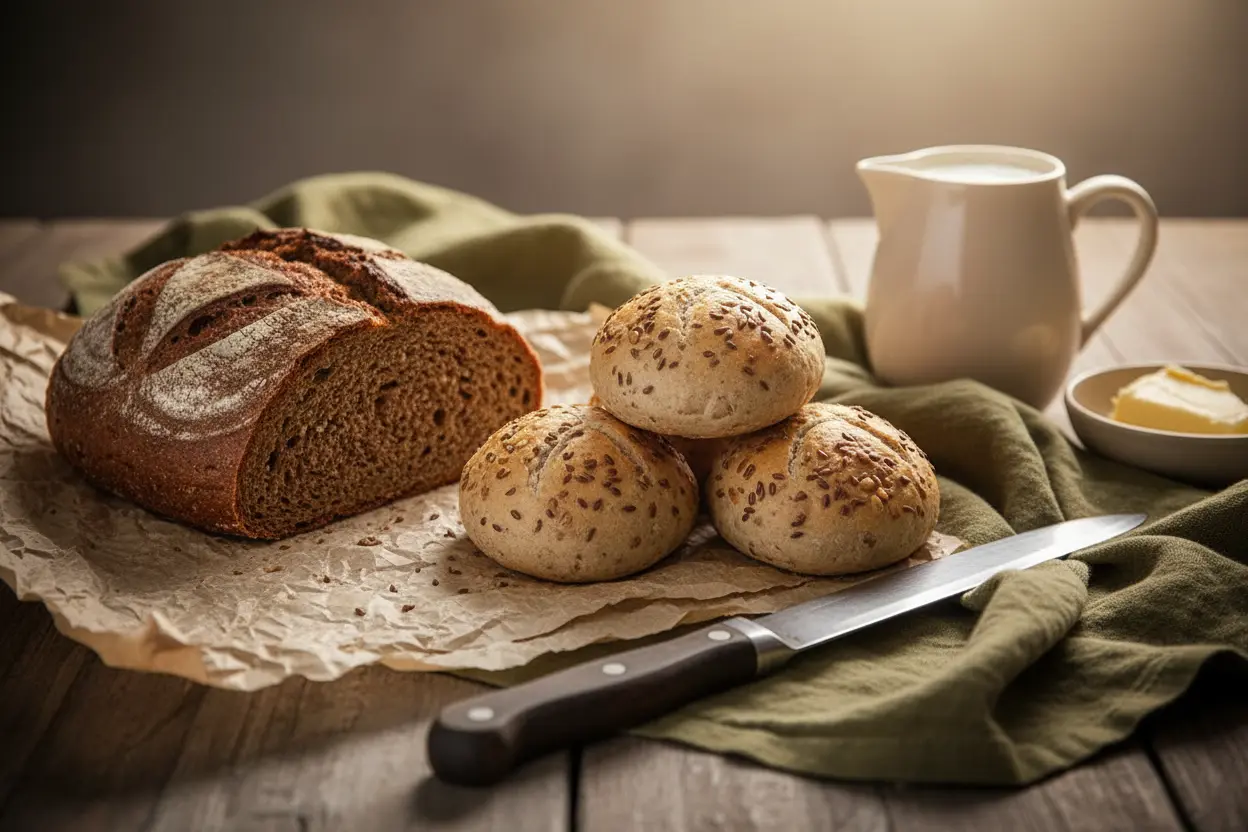
Bread. It’s more than just food—it’s a breakfast companion, a supporter of cheese, and the life of the aperitif. But in the noble quest to always have a slice on hand (and, perhaps, to avoid daily boulangerie pilgrimages), many of us commit a freezer faux pas that experts say could actually mess with our health. Let’s break bread with wisdom and cast cold eyes on this frozen blunder.
Why Bread Is Always Around—and How the Freezer Became Its Sidekick
Baguette, country loaf, soft pullman. You name it, the French (and pretty much anyone with good taste) love their bread. Mornings see it slathered in jam, evenings pair it with cheese, and somewhere in between, pâté gets its moment on a crisp slice. For many, bread isn’t just a staple; it’s practically a lifeline.
Of course, with such devotion arises a real problem: how to always have fresh bread on hand without letting it go stale—and, crucially, without tossing half a loaf in the bin because you couldn’t eat it fast enough? Enter the freezer, our trusty friend against waste and inconvenience. Freezing bread is handy for stockpiling and saves those daily bakery dashes.
The Classic Mistake: Toss and Forget
Here’s the thing: lots of people just toss bread straight into the freezer—bagless, boxless, bare and defenseless! But this can cause more issues than you might think. Bread is basically a sponge for odors, and will cheerfully soak up whatever questionable bouquet lingers in your freezer (frozen fish, anyone?).
Even trickier, certain bacteria hiding inside the freezer can worm their way into both crumb and crust. Freezing slows down the party for these pesky micro-organisms, but it doesn’t actually eliminate them. Once thawed, these bugs may spring back into action—potentially ending up in your body when you eat the previously frozen bread. Not quite the crunchy twist you were hoping for! So what’s at stake? Your health, say the experts.
How to Freeze Bread Without Regret (or Risk)
Proper freezing is easy enough—it just calls for a little attention.
- First things first: if your bread is fresh and warm, always let it cool down to room temperature before freezing.
- Next, slice it to your liking. Handy, since defrosting an entire loaf to hack off two slices is a real test in patience.
- Then comes the key protection step: pop the bread in a freezer bag, a hermetically sealed container, or wrap it up in suitable plastic film. This shields it from both odor invasion and bacterial mischief, locking in optimal conservation.
Contrary to our sticky fears, bread slices rarely freeze together in a massive, tear-inducing hunk. Speaking of visual oddities, if you notice some white marks on your frozen bread, don’t panic—they’re just frost crystals, not mold! These frosty specks will vanish with a little defrosting and toasting or baking.
Important reminders:
- Freezing is great, but not forever. Six months is the maximum recommended time for frozen bread to keep its dignity and taste.
- Never refreeze bread that’s already been defrosted. The microbe rollercoaster isn’t worth riding twice!
Serving Up Safe and Tasty Bread Every Time
So, what’s the secret to resuscitating frozen bread to its former glory?
- Take it out of the freezer, wrap it in a clean tea towel, and let it sit at room temperature. The thawing time depends on the size of the bread and the warmth of your kitchen. No rush—good things come to those who wait (and want to avoid dental injuries).
- If your goal is a crunchy crust with a soft center, lightly moisten the outside before slipping it into the oven for a few minutes.
- Pressed for time in the morning? No problem—the toaster is your friend. Most toasters now boast a special defrost button, so you can enjoy a crisp, delicious slice straight from the freezer without missing a beat.
So, while bread may be an essential you never want to miss, it pays to show it a little freezer respect. Guard your loaf from unwanted freezer flavors and invisible invaders, and your body—and tastebuds—will thank you. Bon appétit, minus the microbial hitchhikers!

John Smith is a culinary enthusiast and food blogger who discovered his love for Asian cuisine during his years living in Seoul and Tokyo. With a background in journalism, he brings a storytelling approach to exploring the cultural significance behind every dish. John is passionate about making Asian cooking accessible to home cooks and sharing the vibrant food scenes he encounters in his travels.


