
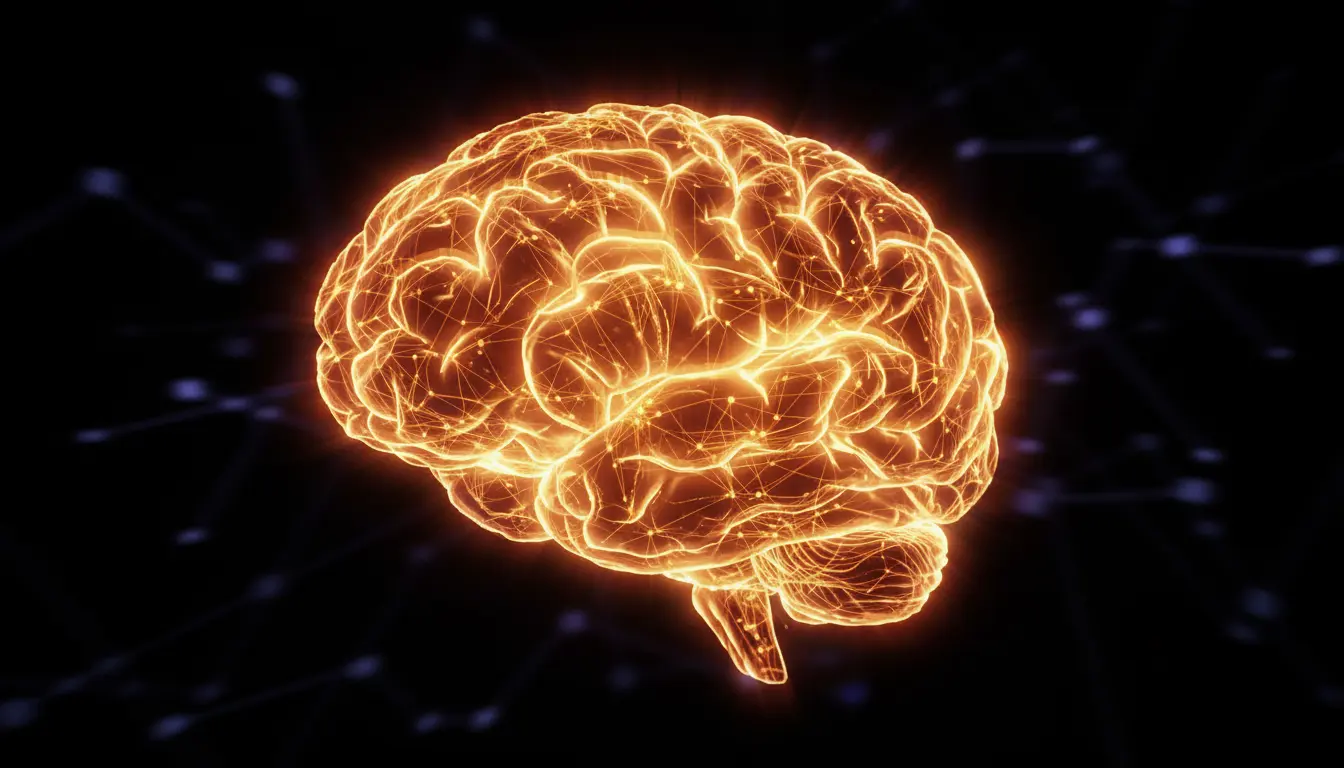
Every summer, as glossy magazines parade miracle diets and we bravely declare war on our waistlines, there’s a battle raging beneath the surface—a battle most of us don’t even realize we’re fighting. And the twist? The real enemy is not your willpower, your fridge, or even that seductive slice of chocolate cake. The real mastermind plotting to keep you at your current weight is your own brain.
The Invisible War: Your Brain’s Relentless Defense
Two neurobiologists, the American Sandra Aamodt and the Frenchman Michel Desmurget, have lived this struggle firsthand. Both pursued diet after diet, won spectacular losses, only to watch the lost kilos boomerang back with astonishing predictability. Frustration? Absolutely. Shame? Occasionally. Like seasoned boxers finally deciding to stop swinging and start observing their opponent, they dug through the scientific literature to understand: why does weight always seem to revert?
The answer, as it turns out, is both sobering and oddly reassuring: your brain has a built-in weight range it fiercely protects. To your brain, there’s no such thing as “overweight”—just a stable weight worth defending at all costs.
Meet the Hypothalamus: The Body’s Weight Thermostat
At the center of this process sits the hypothalamus, which Sandra Aamodt dubs the “weight thermostat.” This tiny but mighty central brain region receives messages about fat reserves, blood sugar, nutrients, and, yes, what’s been on your dinner plate lately. Its mission? To keep your body’s weight within its preferred range by:
- Dialing up (or down) your hunger
- Tweaking your overall activity
- Adjusting your metabolism
But declare a diet, and suddenly—it’s code red. Your body, better at preventing famine than achieving beach bodies, can’t tell the difference between deliberate weight loss and actual starvation. It launches what Michel Desmurget calls “the wrath of organic defenses,” deploying an impressive arsenal:
- Cutting back on subconscious movements (nervous leg-shaking? Gone!)
- Learning to do more with less energy
- Slamming the brakes on leptin, the appetite-control hormone, slowing your sense of fullness so you eat more
- Even disconnecting those stomach stretch sensors that (in theory) tell you when you’ve overeaten
Willpower: Not Quite the Secret Weapon
Certain that willpower would deliver the knockout punch, we march onto the diet battlefield—only to find our brain turns traitor. The prefrontal cortex, home of determination, falls under siege. Desmurget explains: the brain becomes a “hungry machine,” intensifying your sensitivity to food. That ignored bread crust morphs into a culinary siren. Resist the most tantalizing pastry? Not for long—because willpower is, unfortunately, a limited resource.
Case in point: in an American study, participants faced an unsolvable puzzle with only radishes and chocolate cakes on the table. Those forced to resist the cakes caved in twice as fast as those who could snack freely. The effort it takes to resist treats drains the energy needed for other tasks. Aamodt sums it up: with every act of self-control, further self-control becomes much harder.
And your brain gets sneaky. It recruits your reward circuit (that sweet dopamine hit when you see food) and your habit system (automatic actions galore). After weight loss, photos of scrumptious meals light up the brain’s pleasure centers even more than before—especially for those below their brain’s set weight range. Modern life, full of temptations, constantly activates these circuits. A tough day? Suddenly, you crave ice cream, hungry or not. You promised to take the stairs, but find yourself in the elevator—habit quietly won again.
Desmurget’s warning? No matter how monk-like your resolve, sooner or later, you’ll give in.
Lasting Change: A Peace Treaty With Your Brain
Eventually, your defenses falter. Sandra Aamodt observes: we use willpower to ignore hunger, but as soon as life distracts us, our brain takes the wheel—making us eat more and move less until we’re back inside its cherished weight range. Appetite “normalizes,” but now, blunted by all that suppression, your internal signals telling you to stop eating are quieter than ever. Perfect for the reward and habit circuits to stage a comeback—and pack additional pounds on top.
So, what’s the way out? Here, the two neurobiologists walk somewhat different paths:
- Sandra Aamodt recommends gently shifting attention to your sense of fullness, becoming aware of the emotional and cultural reasons you eat. Above all, she advocates accepting yourself as you are—even if the mirror doesn’t reflect a magazine cover. It’s a peace treaty with your own brain—because, frankly, life is too short to devote all your limited willpower to squeezing into smaller jeans.
- Michel Desmurget, on the other hand, lost 50 kilos over four years by getting to know his brain and sneaking around its defenses—using a “small steps” approach. By very gradually changing habits, he managed to lose weight so slowly that his brain didn’t sound the alarm.
Both agree on the essentials: harsh restrictions or punishing workouts are the enemy. If you want durable results, bring a little kindness to the process—no brute force needed in this world of brutes.
The bottom line? That invisible war within is real, and your brain is a surprisingly worthy adversary. But whether your path is mindful acceptance or careful, sneaky redesign of habits—treat yourself, and your brain, with a bit of compassion. Because sometimes, making peace is the ultimate win.

John Smith is a culinary enthusiast and food blogger who discovered his love for Asian cuisine during his years living in Seoul and Tokyo. With a background in journalism, he brings a storytelling approach to exploring the cultural significance behind every dish. John is passionate about making Asian cooking accessible to home cooks and sharing the vibrant food scenes he encounters in his travels.


