
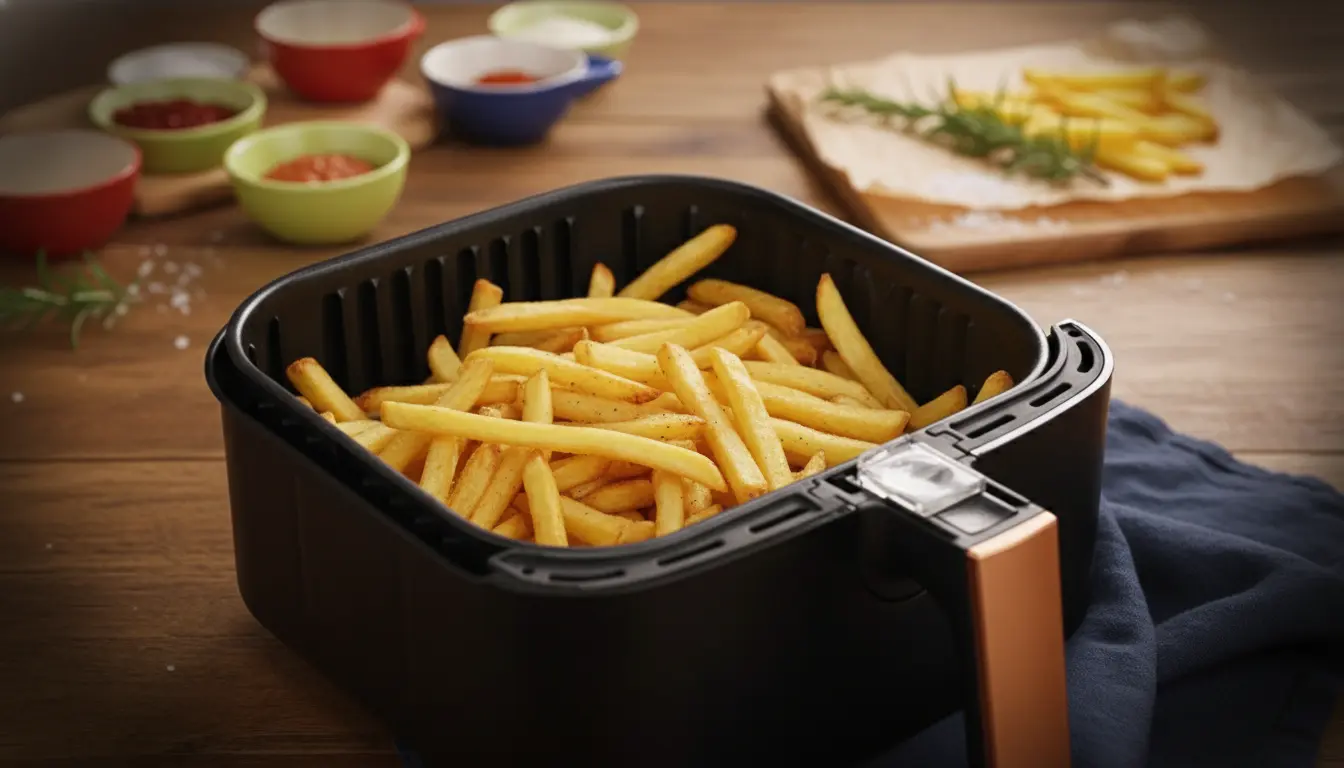
Seduced by the promise of crispy fries with barely a drop of oil, I joined the great airfryer revolution over a decade ago. But my journey with these so-called « oil-free fryers » has been anything but the golden, crunchy dream I was sold. Here’s what nobody admits about airfryers, and why mine ended up gathering dust—before making a surprising comeback for totally different reasons.
The Big Fryer Question
In 2012, as I settled into my new home, the pressing question arose: should I buy a deep fryer? The idea of dealing with vats of hot oil and endless cleaning sounded unappealing. Eager for something healthier and less high-maintenance, I looked for an alternative.
My first candidate was the Seb ActiFry. Sounds fancy, right? Well, its price at the time was seriously steep, and the 1.5 kg maximum capacity just didn’t cut it for my family of five. The final flaw: a glacial 40-minute cooking time. Fast food this was not.
On the hunt for a quicker and healthier fix, I switched my attention to the first Philips Airfryer, often marketed (perhaps mistakenly, as you’ll see) as an “oil-free fryer.”
The Fresh Fries Letdown
Being a fan of homemade fries, I fired up my new Airfryer with high hopes. The cooking went smoothly, but one bite shattered my expectations. Despite their alluring color, the fries were as crisp as a cardboard box. Crunchy, yes, but in entirely the wrong way.
Refusing to be discouraged by this culinary disaster, I tried again—this time tossing my hand-cut fries in oil first. I experimented with varying amounts, convinced this would yield the golden, crunchy potato batons I’d been dreaming of. The result? Fries burnt at the tips, undercooked inside, and the elusive crispness of proper fries was nowhere in sight. Worse, the process took even longer than the failed attempt before. So much for quick, healthy indulgence!
Determined to get to the bottom of this, I picked up a bag of industrial, frozen fries from the supermarket. Voilà! After cooking, they actually looked and tasted much more like “real” fries than my previous homemade misadventures. With a touch of bitterness, I tucked the Airfryer away in a cupboard. At the time, oil-free fryers weren’t terribly trendy, so there weren’t many recipes optimised for their quirkiness. My Airfryer spent its first few months quietly digesting my disappointment right along with me.
Second Chances: Beyond Fries
What drew me to dust off the Airfryer again? Asian food! A chat with my mom—who buys packs of 50 spring rolls and fries them up in oil—got me thinking. Forever in search of healthier cooking, I decided to try making spring rolls in the Airfryer instead.
Surprisingly, this experiment paid off. While the rolls didn’t come out as shatteringly crispy as those deep-fried, they were deliciously flavourful. Plus, I ditched the oven: the Airfryer heats up faster and lets me toss the basket for a more even cook (and quicker, too). One small win for healthy(ish) eating!
This discovery unraveled new possibilities. I started using the Airfryer for other prepared foods:
- Shrimp tempura
- Chicken nuggets
- Potato wedges
- Hash browns
Conveniently, these « industrial » foods are usually already lightly coated with oil, making them perfect for the hot-air method. No extra oil required, and no cardboard texture in sight.
In the end—after 12 years and a touch of stubbornness—I realized the Airfryer shined at everything except fresh fries. Amusingly, manufacturers now put more effort into marketing these gadgets for their versatility, not just as « oil-free fryers. » Finally, the ads and reality seem to be on speaking terms (in 2024, at least).
Living With Both Worlds: The Happily Ever After
Over a decade of use has transformed my Airfryer from front-and-center hero to trusty sidekick. It’s my go-to for reheating and crisping up select pre-made foods, much faster than the oven and with tastier, less dry results. The much-vaunted promise of home-cooked fries just like grandma’s, but oil-free? That claim, I discovered, doesn’t stand up to scrutiny.
In the end, I invested in a classic deep fryer for serious fry-making, especially to accompany Sunday’s roast chicken. Both gadgets now share cupboard space under my roof, and together, they fill my kitchen—and my plate—with more joy and better food.
In summary: if you’re hoping for perfect home fries from an airfryer, temper your expectations. But keep the gadget around—it just might surprise you with its talents far beyond the potato!

John Smith is a culinary enthusiast and food blogger who discovered his love for Asian cuisine during his years living in Seoul and Tokyo. With a background in journalism, he brings a storytelling approach to exploring the cultural significance behind every dish. John is passionate about making Asian cooking accessible to home cooks and sharing the vibrant food scenes he encounters in his travels.


