
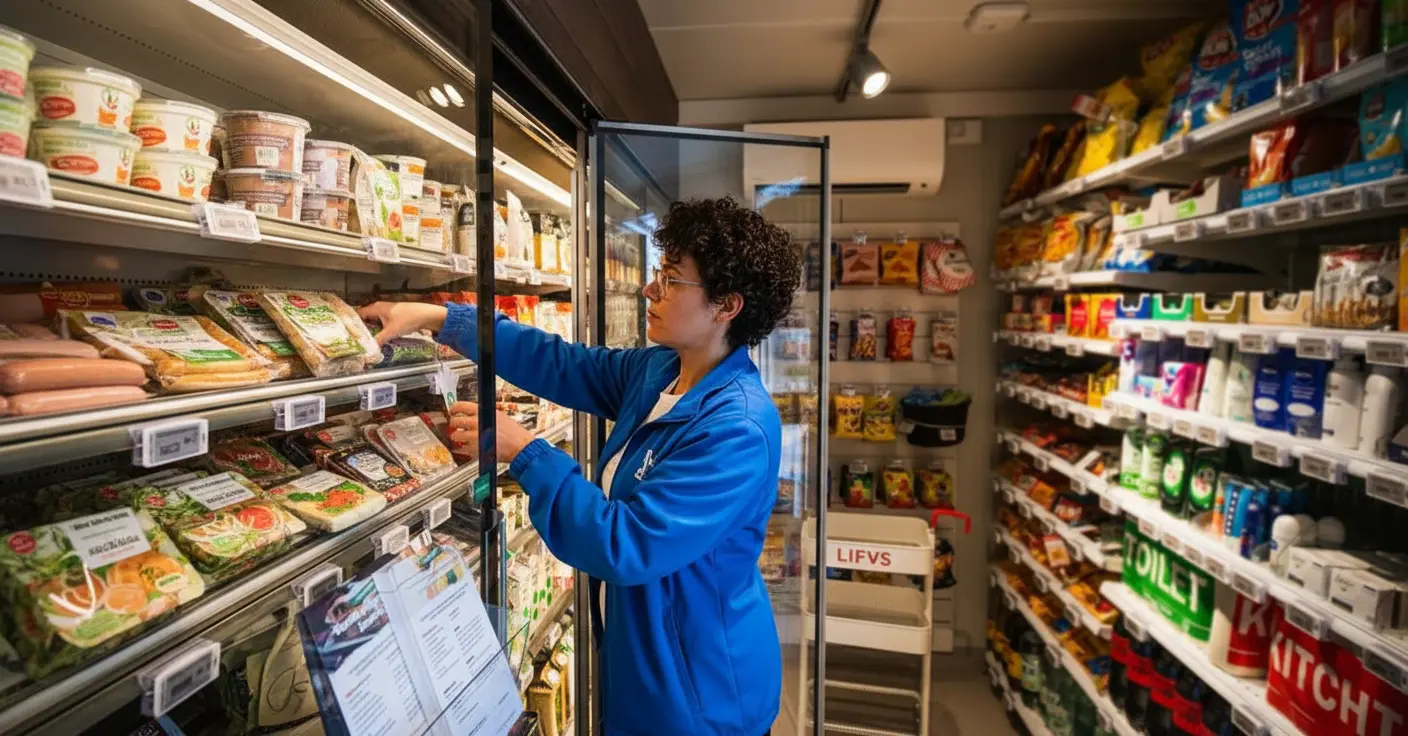
Ice cream in the sun, burgers on the grill, and the comforting crunch of crackers at apéritif time: sounds like a dream, right? But behind these popular treats lies a worrying twist worthy of a detective thriller. Since September 2020, a growing recall wave has swept the aisles of supermarkets, pulling more than 7,000 familiar food products – and nearly 260 varieties of ice cream alone – from our shelves. The cause? A hidden risk that could give anyone pause before their next snack: excessive ethylene oxide, a chemical linked to cancer.
The Rapidly Growing List: What’s Being Recalled?
No, you’re not imagining it: recalls have gotten more frequent and the list has ballooned at an alarming pace. From June 15 to the end of the month, the count of withdrawn ice creams and sorbets alone soared from over 90 to nearly 260 references, covering a dazzling range of brands sold in major supermarkets. And that’s just the tip of the frosty iceberg.
But ice cream isn’t the only food to watch out for. Since September 2020, more than 7,000 products have been caught up in this recall whirlwind. These include:
- Bread and burger buns
- Apéritif crackers and salty biscuits
- Sugar
- Prepared meals
- Cheeses
- Sauces and culinary aids
- Teas and coffees
- Cereals and biscottes
- Sweet biscuits
- Spreads, oils, and much more
The variety of affected products reads like a who’s-who of the average shopping basket.
The Chemical Culprit: Why Is Ethylene Oxide So Concerning?
Ethylene oxide is typically used as a way to fight mold. While that sounds rather heroic, the reality is much darker. According to the National Institute for Scientific Research (INRS), the substance is “likely to cause cancer” and “can induce genetic anomalies.” It has, in fact, been banned in the European Union as a food protection product since 2011.
The alarm was sounded in early September 2020, when Belgium notified its French counterparts about imported sesame seeds containing ethylene oxide above the regulatory limits. This news was enough to set the French Directorate-General for Competition, Consumer Affairs and Fraud Control (DGCCRF) into action. Until the origin and full extent of the contamination is clarified, they are recalling any product exceeding the legal threshold. That means a vast swathe of items: anything that could contain contaminated sesame, but also products with psyllium, suspect spices, or carob flour – the latter commonly found as a stabilizer in ice cream. Suddenly, your everyday snack might pack more than a pleasing crunch.
Brands and Products: Nobody Is Untouchable
If you’re picturing obscure brands with names you can’t pronounce, think again. The recall list spans both niche organic crackers and family-favorite treats. Some examples specifically flagged include:
- Picard’s tubs of ice cream
- Mini spelt and sesame biscuits from Naturalia
- Grain de Sail’s organic dark chocolate bars with sesame
- Auchan’s multimix crackers
- Leclerc’s chorizo fougasse bread
It’s a parade of products as diverse as France’s culinary landscape.
Your Next Steps: What Should Consumers Do?
So what if, after reading the fine print during your next supermarket outing, you discover one of your purchases is on the dreaded recall list? The DGCCRF asks manufacturers to initiate recalls at the ingredient and finished product levels. As a consumer, you’re invited to:
- Return affected products to the store and inquire about refunds or returns
- Check RappelConso, the official website for updates on recalled items
- Consult the Ministry of Economy website for the full, regularly updated list
- Contact your doctor if you’ve already consumed a contaminated product and are experiencing side effects
Still, vigilance is key: the recalled products come from all categories and brands, and the list keeps growing. If you’re a fan of homemade ice cream, this might just be the nudge you need to give that recipe a whirl.
Conclusion: Know What’s in Your Basket
Ethylene oxide may be invisible to the naked eye, but its shadow now looms over thousands of beloved products. While the authorities continue their investigation, it’s up to every consumer to stay informed and proactive. Check recall lists, read labels, and rest assured the sunny days of ice cream aren’t behind us – they might just be a little more homemade this year. Stay curious, stay safe, and remember: sometimes, what’s hidden inside is worth a second look – or at least a glance at the label.

John Smith is a culinary enthusiast and food blogger who discovered his love for Asian cuisine during his years living in Seoul and Tokyo. With a background in journalism, he brings a storytelling approach to exploring the cultural significance behind every dish. John is passionate about making Asian cooking accessible to home cooks and sharing the vibrant food scenes he encounters in his travels.


