
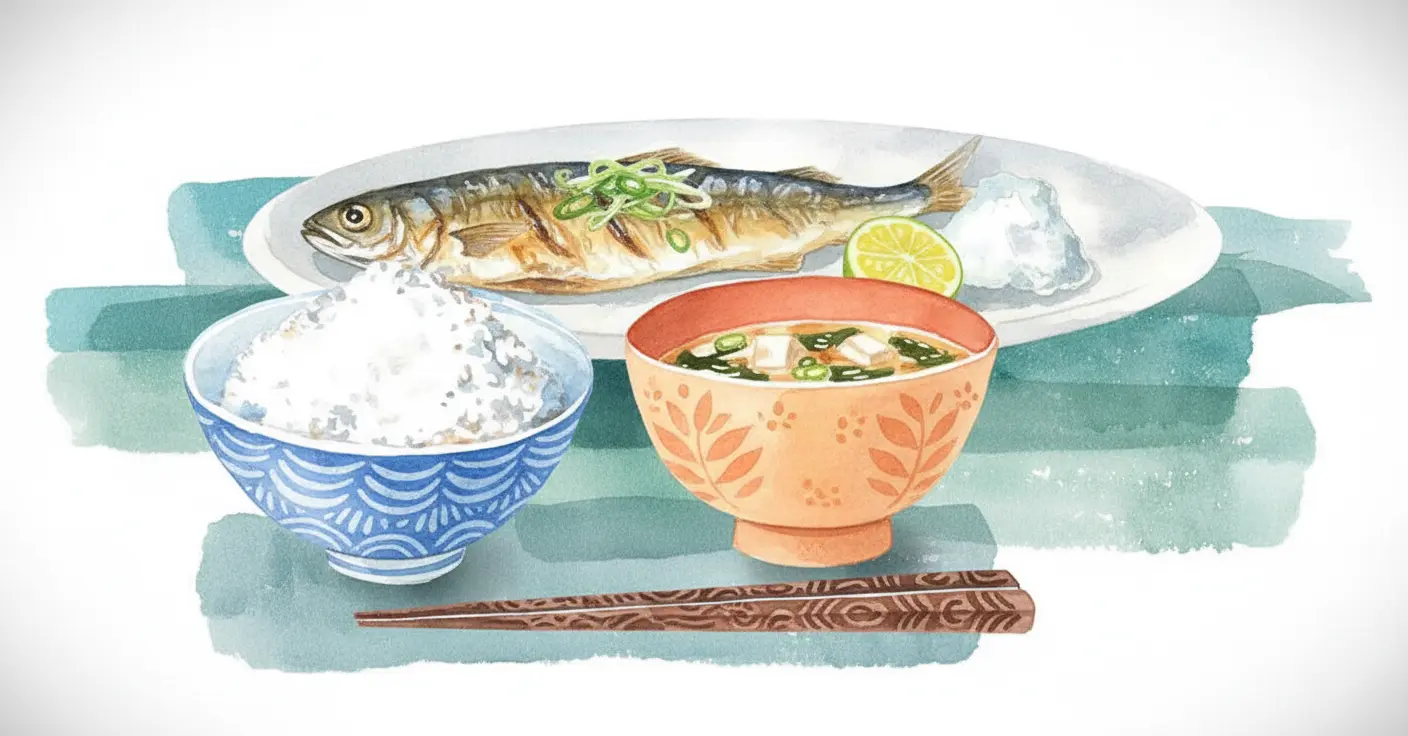
What if the secret to living a long, healthy life isn’t hidden in a fancy supplement, but on a sun-drenched Japanese island? Welcome to Okinawa, a place where becoming a centenarian is almost a community sport and the wisdom to stay well is passed on like family recipes.
Welcome to Okinawa: The Island of Centenarians
Okinawa, nestled in the south of Japan, has made a name for itself thanks to the impressive number of residents surpassing the age of 100. This isn’t just about clocking more birthdays—on this island, people tend to age gracefully, staying healthy and active well into their later years. For some stats to impress at your next dinner party: women in Okinawa live, on average, to age 86, and men to 78. Out of a population of 1.3 million, there are 400 centenarians. That means 34 per 100,000 people—take that, Father Time!
So what sets Okinawans apart? Their lifestyle and (no surprise here) what ends up on their plates.
The Okinawa Diet: Simplicity, Science, and Omega-3
The Okinawa diet is basically a nutritional love letter to simplicity and plant-based eating. Forget calorie counting apps. The core rule is to stop eating before you’re full. This isn’t about self-torture; it’s a conscious form of calorie restriction favored by both doctors and anyone keen on living to 100 without gnawing on celery all day.
Here’s what powers this island’s remarkable longevity:
- A diet high in nutrients and omega-3 fatty acids
- A lifestyle rich in fresh vegetables, fruits, and fatty fish
- Minimal consumption of fat—less than 25% of total calories
- A focus on foods with low energy density (more filling, fewer calories)
The idea is straightforward: eat foods that provide maximum fiber, water, and protein per bite. This means you feel full fast, and you stop eating before you’re overstuffed.
What’s Really On the Okinawa Menu?
Instead of a never-ending forbidden list, the Okinawa system sorts food by energy density. Here’s a map for your next grocery trip:
- Eat freely (energy density below 0.7): Water, tea, watery green vegetables (like tomatoes or cucumbers), citrus fruits, berries, low-calorie fruits, algae, tofu, and low-fat yogurt.
- Eat in moderation (energy density 0.8 to 1.5): Lean fish, eggs, poultry, shellfish, sushi, legumes, rice, sweet potato, potato, avocado, banana.
- Occasionally (energy density 1.6 to 3): Lean meats, dried fruit, whole grains, fatty fish, hummus, sweet fruits, soy cheese.
- Strictly limit (energy density over 3): Nuts, cheese, oil and butter, cream, fried foods, processed products, biscuits, cured meats—essentially, most “treats.”
Healthy Asian-inspired recipes dominate the daily menu. Meat and richer foods are not entirely banned, just saved for special occasions. This isn’t a fast-track weight loss scheme, but a shift to healthier eating habits that grow with you.
Why This Lifestyle Is More Than Dieting (And What to Watch Out For)
The Okinawa diet is really a lifestyle. Adopting it means waving goodbye to processed foods in favor of vegetables (grains, legumes, fruits, veggies, algae) and all kinds of fatty fish.
But be aware, it does require a cultural reset. Adapting to this way of eating is no small change, especially if you’re far from Asian supermarkets. Plus, stopping just before you feel fully satisfied might challenge the Western urge to feast until stuffed!
On the science side, this diet can mean fewer metabolic wastes and thus fewer free radicals that damage cells as you age. Lower calorie intake may also help reduce estrogen and insulin, boost immunity, and protect against obesity, hormone-dependent cancers, insulin resistance, and atherosclerosis. Talk about a menu with benefits!
Okinawan eating is rich in protein and fiber, helping you feel content but not stuffed—or hangry!—between meals. There’s no intended deprivation, just encouragement towards balance and fresh, unprocessed foods.
Of course, before you trade your local cheese plate for seaweed: some risk exists for people with thyroid issues (due to algae), and long-term lower calorie intake carries risk of deficiencies if unsupervised. A check-in with a doctor or nutritionist is advised.
Living Long and Living Well
Unlike many restrictive diets, Okinawa’s isn’t a social life killer. Restaurant dining and inviting friends over can still fit right in. Loss of weight isn’t even the main goal, but it often happens slowly and steadily—especially paired with regular physical activity, a staple of Okinawa’s healthy lifestyle.
In the end, the Okinawa “secret” isn’t about magic foods or quick fixes. It’s about the long game: eating real, natural, omega-3 rich food, making room for healthy habits, and choosing to stop eating before the waistband suffers. Those are pretty delicious secrets to lasting vitality. Why not borrow a little island wisdom for your own table?

John Smith is a culinary enthusiast and food blogger who discovered his love for Asian cuisine during his years living in Seoul and Tokyo. With a background in journalism, he brings a storytelling approach to exploring the cultural significance behind every dish. John is passionate about making Asian cooking accessible to home cooks and sharing the vibrant food scenes he encounters in his travels.


